
Leisure Time Evolution: From 1950s To Present Day
The way people spend their leisure time has undergone a remarkable transformation over the past seventy years. From communal, physical experiences rooted in local culture to highly personalized, digital interactions, the evolution of pastimes reflects broader technological, social, and economic changes. This journey from the 1950s to today reveals not only how entertainment has changed, but how society itself has shifted.
Drive-In Theatre to Netflix
In the 1950s, the drive-in theatre was a symbol of freedom and social connection. Families and couples would pile into cars, tune in to a shared audio frequency, and watch films under the stars. It was as much about the experience as the movie itself; blankets, snacks, and a sense of community defined the outing.
Fast forward to today, and streaming platforms have revolutionized how we consume film and television. Instead of gathering in a shared outdoor space, viewers now enjoy instant access to thousands of titles from the comfort of their homes. Convenience, personalization, and on-demand access have replaced the charm of communal viewing. While something may have been lost in atmosphere, the gain in accessibility and choice is undeniable.

Jukebox to Spotify
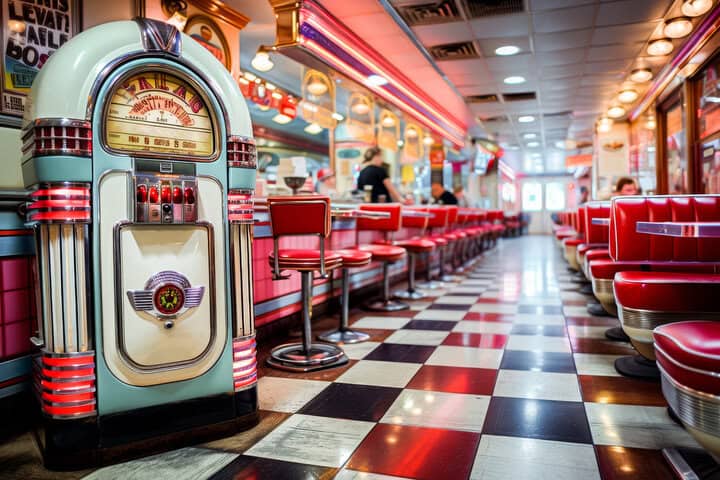
Music in the 1950s was often a shared, physical experience. Jukeboxes in diners and bars allowed people to select songs for everyone in the room to hear. Music was social, tangible, and limited to what was available in that machine.
Today, music streaming services have placed millions of songs into the pockets of individuals. Listeners can create playlists, discover new artists through algorithms, and enjoy music anywhere at any time. The shift from public listening to private, curated experiences reflects a broader move toward individualization in entertainment.
One-Armed Bandit to Online Slots
Slot machines, affectionately known as “one-armed bandits,” were once a staple of casinos and arcades. Players physically pulled a lever, hoping for a winning combination. The tactile nature and the environment of the casino were central to the experience.
Now, online slots have brought gambling into the digital age. With a few taps, users can access countless variations of slot games from anywhere. The sensory experience has shifted from physical to visual and auditory, with animations and sound effects replacing mechanical reels. Accessibility has increased dramatically, though it also raises questions about regulation and responsible use.
Fast Food Startups to Uber Eats
In the post-war era, fast food chains began to emerge, offering quick, affordable meals for busy families. Visiting a fast food restaurant was both a convenience and a novelty, often involving drive-thrus and dine-in experiences.
Today, food delivery platforms have taken convenience to another level. Instead of travelling to a restaurant, consumers can order from a wide range of cuisines and have meals delivered directly to their doorstep. The focus has shifted from location-based dining to seamless, app-driven service, reshaping the food industry and consumer expectations.
Shop In-Store to Online Shopping
Shopping in the 1950s was a tactile, in-person activity. Department stores and local shops were central to communities, offering not just goods but social interaction. Browsing aisles and speaking with shopkeepers were part of the experience.
In the present day, online shopping dominates. Consumers can compare prices, read reviews, and purchase items with a few clicks. The convenience of home delivery and the vast selection available online have transformed retail. However, this shift has also led to the decline of many brick-and-mortar stores, altering the fabric of local communities.
Final Thoughts
From drive-in theatres to streaming services, jukeboxes to digital playlists, and in-store shopping to global e-commerce, how we spend our leisure time has evolved alongside technology. What once required physical presence and shared spaces can now be experienced individually and instantly.
While nostalgia for the past remains strong, the present offers unprecedented convenience and choice. The evolution of leisure time is not just about replacing old with new; it’s about adapting to a world that continues to move faster, connect deeper, and innovate endlessly.