
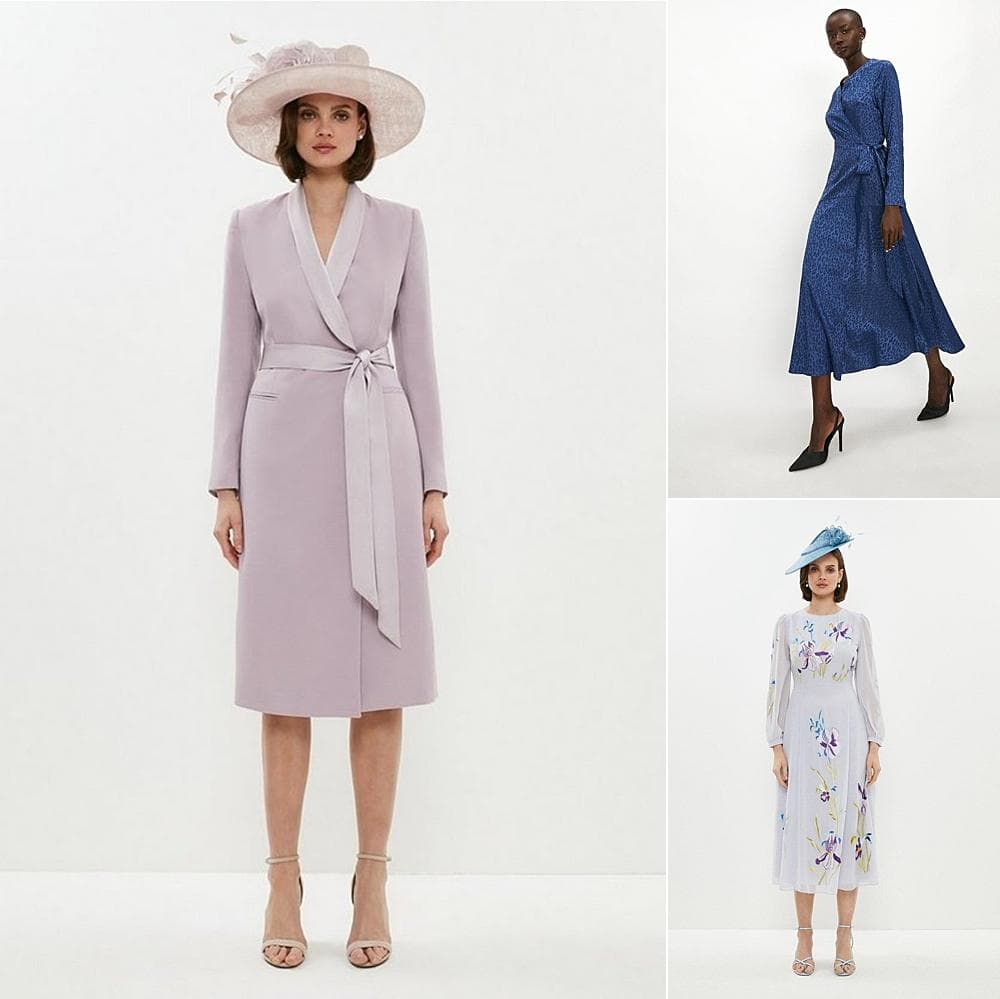
Vintage-inspired fashion continues to shape modern bridal style in subtle but powerful ways. Among all eras, the 1950s remains one of the strongest references in mother-of-the-bride dressing because it introduced a clear design language built on structure, femininity, and proportion.
You still see its influence in dresses that define the waist, shape the silhouette, and create balance without relying on heavy detailing. It’s not nostalgia — it’s a design system that still works.
The 1950s and Why Its Fashion Still Feels Relevant
The 1950s marked a return to intentional dressing after years of practical wartime clothing. Designers focused on shaping the body in a flattering, structured way rather than hiding it.
That’s where the hourglass silhouette became central. Dresses were designed with defined waists, fuller skirts, and carefully constructed bodices that created harmony in proportion.
For modern mothers of the bride, this approach still feels relevant because weddings are occasions where dressing with intention matters. The 1950s understood that instinctively, and that’s why its influence continues today.
Silhouettes That Still Shape Modern Mother-of-the-Bride Fashion
The A-line, fit-and-flare, and structured sheath remain central to many modern classic mother-of-the-bride styles, because they consistently create balanced proportions and suit a wide range of body shapes.
A-Line: The Most Reliable Classic
The A-line remains one of the most versatile silhouettes because it creates balance without restriction. It gently defines the upper body and flows outward from the waist, allowing ease through the hips and legs.
It works across most body types and wedding settings because it doesn’t fight the natural shape of the body. Instead, it enhances it quietly.
Fit-and-Flare: Soft Structure with Shape
The fit-and-flare silhouette follows the body more closely before releasing into a fuller skirt, creating a more defined shape. It offers a stronger sense of curve while still maintaining elegance.
It feels slightly more expressive than an A-line but still controlled enough for formal occasions. Modern stretch fabrics make it especially wearable for long wedding days.
Structured Sheath: Clean and Modern Elegance
The sheath dress offers a more streamlined silhouette that follows the body in a straight, uninterrupted line. It creates a refined and elongated look that feels confident and understated.
When paired with a jacket or structured overlay, it becomes one of the most polished options for formal wedding settings.
Why Tea-Length Still Defines Timeless Wedding Dressing
One of the most enduring examples of this balance is seen in tea length mother of the bride dresses, which combine formal elegance with ease of movement for all-day wear.
It was originally designed for social occasions where women needed freedom of movement without losing formality. That same need exists today, which is why the silhouette remains so relevant.
Tea-length dresses are especially valued for outdoor or long wedding celebrations because they allow ease of movement while still maintaining a refined appearance.
Fabrics That Carry the 1950s Aesthetic Into Today
Fabric plays a major role in how a dress feels and moves. The 1950s favored materials that supported structure while still allowing elegance and flow.
Lace: Detail Without Weight
Lace adds texture and depth while maintaining a formal appearance. When lined properly, it creates structure without heaviness and works beautifully in traditional wedding settings.
It remains popular because it offers visual richness without overwhelming the silhouette.
Satin: Smooth and Formal
Satin is known for its soft sheen and polished surface, which gives it a naturally formal look. It reflects light subtly, making it especially effective for evening weddings.
Modern versions often include stretch, which improves comfort without changing its structured appearance.
Chiffon: Light and Effortless Movement
Chiffon brings softness and fluidity to structured dresses. It moves easily with the body, creating a graceful effect that works especially well in warm-weather or outdoor weddings.
Layered chiffon also adds coverage without adding visual weight, making it both practical and elegant.
The Color Logic That Still Shapes Mother-of-the-Bride Style
Color in the 1950s wasn’t random — it was intentional and tied to occasion. That same logic still guides modern wedding fashion today.
Soft pastels were commonly used for daytime events, creating a light and graceful feel. Deeper jewel tones were reserved for evening occasions where formality and presence were more important.
This approach still works because it naturally aligns with how weddings are structured today.
Light tones feel fresh and celebratory during the day, while deeper tones add richness and elegance at night. The principle remains unchanged because it simply works.
Details That Continue to Define Modern Designs
Many small design elements from the 1950s continue to appear in modern formalwear because they serve both function and style.
Ruching adds softness and subtle shaping through the midsection. Lace overlays bring depth and elegance without heaviness. Beaded necklines provide detail without requiring additional jewelry.
These elements remain relevant because they enhance structure while keeping the overall look refined and wearable.
How to Build a 1950s-Inspired Look Today
A modern interpretation of 1950s style is not about copying the past — it’s about applying its principles.
Start with a silhouette. A-line, fit-and-flare, or sheath dresses naturally carry the proportion of the era. Then choose a practical hemline like tea-length for ease and movement.
Finish with simple, intentional accessories such as pearls or structured shoes. The goal is not decoration overload but quiet balance.
When these elements work together, the look feels timeless rather than themed.
FAQs
What defines classic mother-of-the-bride styles inspired by the 1950s?
They are defined by structured silhouettes, defined waists, and balanced proportions. A-line, fit-and-flare, and sheath designs remain the most common interpretations today.
Why is tea-length so popular for weddings?
Because it balances formality with comfort. It allows movement throughout the day while still maintaining a polished and elegant appearance suitable for most venues.
Which fabrics work best for this style?
Lace, satin, and chiffon are the most widely used because they offer structure, softness, and movement while maintaining a timeless formal look.
How can I avoid looking outdated in vintage-inspired fashion?
Focus on modern fabrics, clean tailoring, and updated color choices while keeping the silhouette rooted in classic proportion.
Conclusion
The influence of the 1950s in modern mother-of-the-bride fashion endures because its principles were built on clarity rather than trend. Structure, proportion, and intention remain just as relevant today as they were decades ago.
When those ideas are combined with modern fabrics and tailoring, the result is a style that feels elegant, balanced, and timeless — exactly what a wedding moment deserves.