
The Influence of Diners on 1950s American Food Culture
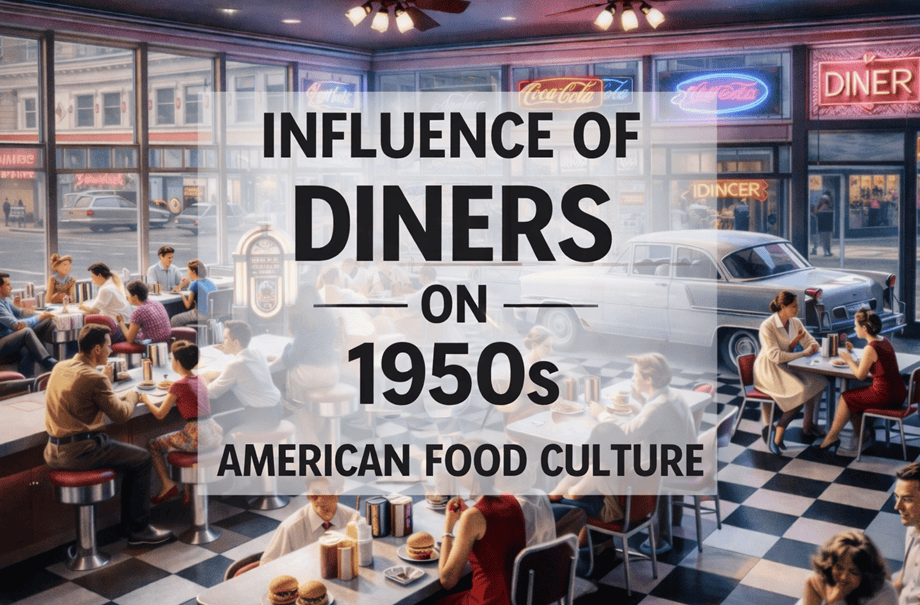
Diner patrons in the 1950s played an important role in the development of American food culture in the middle of the twentieth century. These little, casual restaurants became popular places to go where people could have simple meals, friendly service, and a relaxing atmosphere. Diners often were open long hours, making them easy for workers, travelers, and families.
By the 1950s, one could find diners in both cities and small towns and along busy highways. Their bright signs, counter seating, and traditional menus became a symbol of everyday American life. More than just a place to eat, restaurants were social spaces from which people met friends, in which conversations were shared, and a feeling of community was experienced.
The influence of those of the 1950s helped shape the way Americans ate, socialized, and thought about casual dining.
The Growth of Diners in the 1950s
The popularity of the 1950s diners increased along with major social changes that were taking place around the country. Following World War II, the economy was growing, and more people were traveling by car. Highways and suburban communities rose at an accelerated rate and would open new opportunities for the roadside restaurant.
Diners were well-suited to this environment. They were small businesses that were efficient and could serve meals quickly. Their proximity to highways and busy streets made them an easy stop to take for someone looking for a fast and satisfying meal.
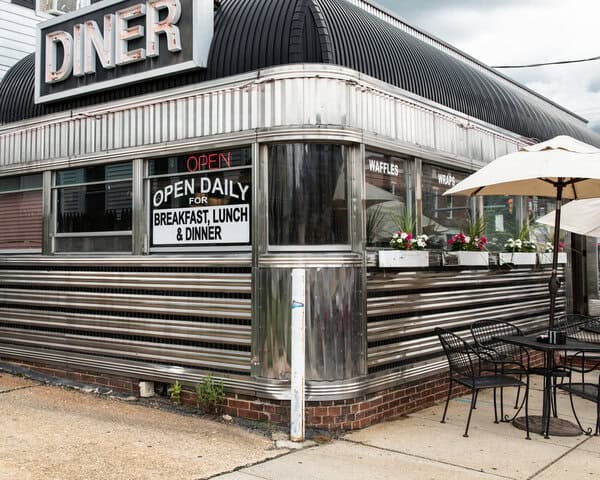
Many diners were constructed on prefabricated designs that could be put up in a hurry. These buildings often had stainless steel exteriors, large windows, and bright neon signs, which would attract passing customers.
As a result of this, diners became landmarks on the American landscape.
Classic Diner Foods
One of the reasons why 1950s diners were so popular was their simple and satisfying menus. Diners specialized in classic comfort foods that appealed to a wide variety of customers.
Some of the common menu items were hamburgers, cheeseburgers, grilled sandwiches, hot dogs, and French fries. Breakfast food was also a staple, with eggs, bacon, pancakes, and toast being served throughout the day.
Milkshakes, malts, and pieces of homemade pie were favourite desserts. These sweet treats became closely associated with the diner experience.
The emphasis on familiar foods helped diners attract regular customers loyal to reasonably priced, reliable meals.
Counter Seating and Open Kitchens
The design of the diners in the 1950s also determined how people were able to experience eating. Most diners included long counters with stools on which customers might sit to watch the cooks prepare their food.
This layout gave the feeling of casualness and friendliness. Customers could talk directly to servers and cooks, and the dining experience felt more intimate.
The open kitchen also enabled people to see their food being prepared. The sounds of the sizzling grills and the clinking dishes contributed to the boisterous atmosphere that the diners were known for.
This type of service promoted interaction as well as helped create the friendly image that diners have today.
Diners Serving as Social Gathering Places
Diners were not mere places to eat at – they were important social spaces. Many individuals came to their local diner on a regular basis and made it a familiar meeting place.
Workers stopped by diners for breakfast before they began their day. Families tended to visit for casual meals, particularly on the weekend. Teenagers also gathered at diners after school or in the evenings to talk and listen to music and have milkshakes.
Because diners welcomed customers of different ages and backgrounds, they became places where communities came together. Conversations between strangers were common, most notably at the counter where people were sitting next to each other.
This social atmosphere contributed to making diners a central part of everyday life.
Diners and the Creation of Roadside Dining
The expansion of highways during the 1950s led to an increase in the popularity of diners. Increased numbers of families traveling by car, eating on the roadside, and roadside restaurants became necessary stops to make during long trips.
Diners provided fast service and familiar food, making them attractive to travelers who wanted a convenient meal without having to wait a long time.
Bright neon and unique building designs helped the diners stand out along busy roads. These visual features were an attraction to drivers and added to the growing culture of roadside dining.
The link between eating out and road travel became a permanent feature of American eating habits.
Influence on Contemporary Casual Dining
The success of the diners in the 1950s influenced the development of many modern restaurants. Their focus on quick service, low-cost dining, and casual environments inspired other fast food outlets and casual establishments.
Menu items such as burgers, fries, and milkshakes became staples that Americans cook with, and they are still very popular to the present day. The idea of serving comfort food in an informal and friendly environment also has implications for the restaurant culture to this day.
Even the modern diners have a tendency to keep to the same basic concept – simple food, welcoming service, and a place where people can enjoy a meal with no formality.
Durable Cultural Impact of Diners
Although many of the original diners have faded away over time, their impact on American food culture is still quite strong. Some of the historic diners still exist today and maintain the old-fashioned atmosphere of eating during the mid-century.
Movies, television shows, and photographs often feature classic diners, represented as signs of 1950s American life. Their stainless-steel designs, neon lights, and retro interiors continue to capture the public’s imagination.
The tradition of getting together for a burger, coffee, or slice of pie in a relaxed environment was first taken up by diners and still continues, in many guises today.