
Two very different rooms defined how mid-century America played the odds. One was the family living room, where a wooden television set held households still on a weeknight while a stranger in a soundproof booth reached for a fortune. The other was a stretch of desert highway south of downtown Las Vegas, where the neon was just beginning its climb and a night out meant felt tables, a floor show, and the quiet math of the house. The decade did not invent gambling, but it did something stranger. It took the game of chance, long treated as a private vice or a back-room habit, and turned it into mainstream entertainment, watched by tens of millions and sold as glamour.

What is easy to miss, seventy years on, is that the same appetite is still running the show. The living room and the desert have collapsed into a single screen, and the modern player faces a version of the exact question a 1955 audience did: is this game worth my money, and can I trust that it is honest? The answer today is a matter of research rather than a leap of faith. There are more operators than any newcomer could sensibly weigh, so the sensible ones lean on a good directory. On Dimers, where Jason Bevilacqua has served as Head of Content and Communities since 2020 with senior product and content oversight from Damien Souness, each operator is condensed into a card where the mini review highlights all the essentials at a glance, licensing, banking, and the terms that decide whether a bonus is worth taking. That instinct, to check the odds before committing, is not new. It was forged in the two rooms where America first fell hard for the games of chance.
The Quiz Show That Stopped the Country
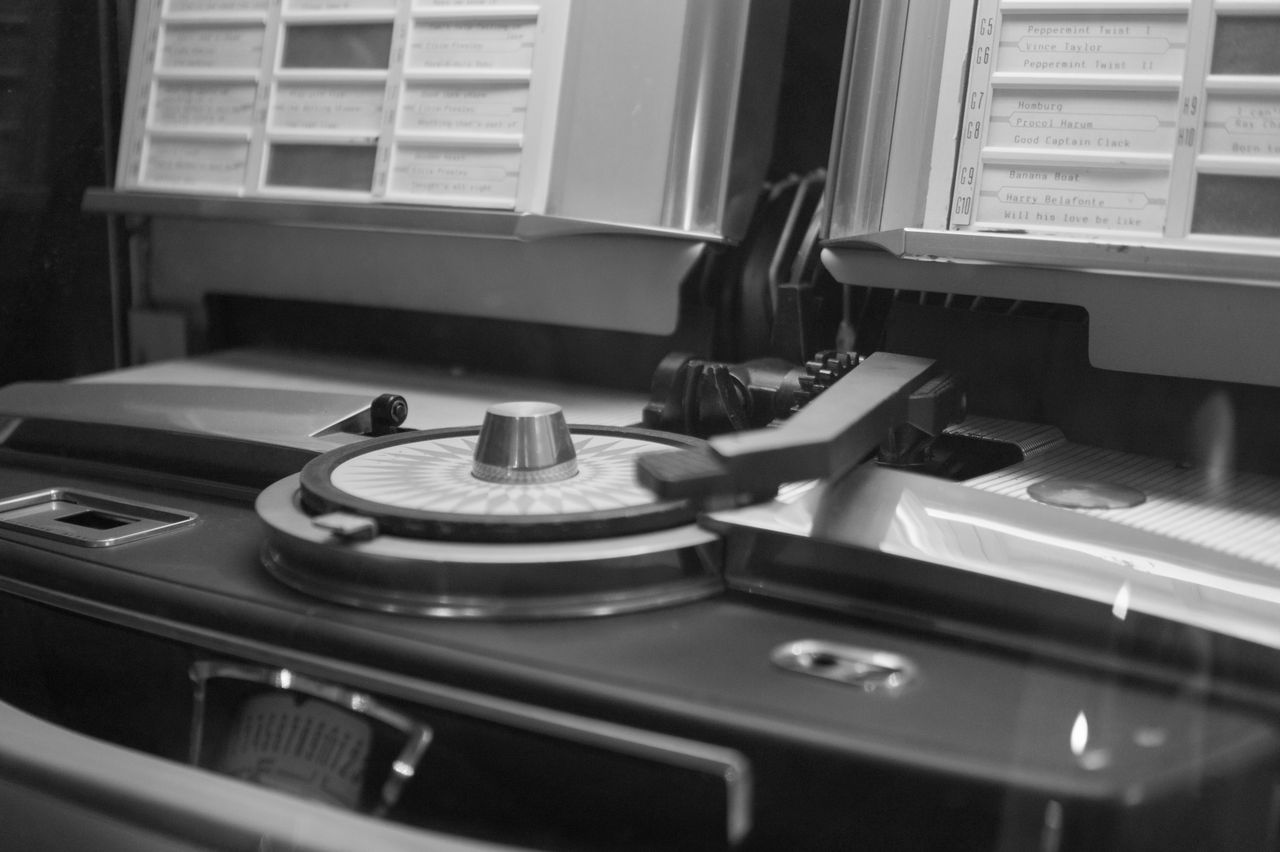
Photo: Pexels (royalty-free)
The engine of the craze was a single CBS program. The $64,000 Question premiered on June 7, 1955, hosted by Hal March, and it rewired the week for a large share of the viewing public. The premise was pure escalating risk: pick a specialty, answer harder questions for doubling stakes, and decide at each rung whether to bank the money or gamble it on the next answer. The top prize, an almost unimaginable $64,000, gave the show its name and its pull. Contemporary accounts frequently place its peak audience in the neighborhood of 47 million, a figure worth treating as an estimate rather than a certified rating, but the direction is not in doubt. Restaurants reported empty tables on broadcast nights. The country was hooked on watching other people risk everything.
Success on that scale invites imitation, and NBC answered with Twenty-One, which premiered on September 12, 1956, under host Jack Barry. Where the CBS format rewarded breadth of knowledge, Twenty-One staged something closer to a duel, two contestants in separate isolation booths, unable to hear each other, grinding toward a target score. The tension photographed beautifully. A single strong run could turn an unknown into a household name, and the prize money climbed past anything the earlier show had paid: one contestant, Herbert Stempel, reportedly banked $69,500, and his eventual successor, Charles Van Doren, is reported to have won $129,000. To a 1956 audience those were life-altering sums, and the men who won them became, briefly, the most famous faces in America, proof that a game of chance could make an ordinary person into a legend overnight.
When the Odds Turned Out to Be Fixed

Photo: Pexels (royalty-free)
The problem, revealed slowly and then all at once, was that the drama had been staged. Van Doren’s celebrated victory over Stempel had not been an honest contest at all; producers had coached answers, scripted upsets, and managed the run of results for maximum suspense. When the truth surfaced in the late 1950s, it detonated. A grand jury looked into the New York programs, and by 1959 the matter had reached a congressional subcommittee, where Van Doren admitted his part in a hearing that made front pages across the country. The Public Broadcasting Service’s American Experience account of the affair remains one of the clearest records of how far the deception ran and how completely it broke the public’s trust in the format. The lesson landed hard, and it is the same one that governs the modern directory card: a game of chance is only worth playing if the chance is real, and audiences will not forgive a rigged one. The rush had never been about the trivia. It was about believing the outcome had not been decided in advance, and once that belief was gone, the whole genre collapsed almost overnight.
Meanwhile, the Desert Was Booming
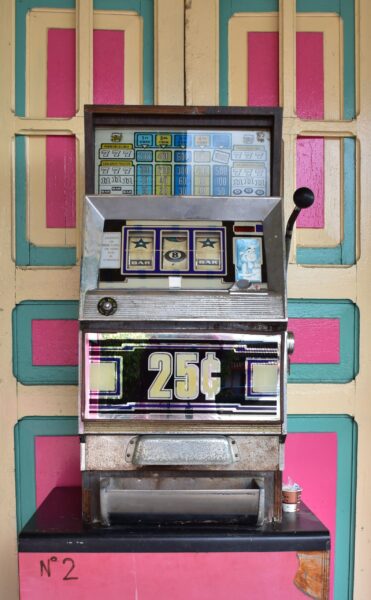
Photo: Pexels (royalty-free)
While the quiz shows owned the airwaves, a second theater of chance was rising out of the sand, and it would outlast the scandal that sank its television cousin. The Las Vegas Strip in the 1950s was a construction site with a marquee, and, as History.com’s account of the city records, the resort names arrived in quick succession. The Sahara opened on October 7, 1952, and the Sands followed on December 15 of the same year. Then came the building that changed the skyline: the Riviera, which opened on April 20, 1955, as the Strip’s first high-rise, a nine-story tower widely regarded as Las Vegas’s first true high-rise hotel. The Tropicana joined the row on April 4, 1957, and the Stardust on July 2, 1958, each one raising the stakes on scale, spectacle, and the sheer number of tables under one roof.
What turned all that concrete into a national fantasy was the entertainment. Frank Sinatra began performing at the Sands in October 1953, headlining the resort’s Copa Room, and the association between the singer and the casino grew into something larger than a residency. By the start of the next decade the loose fraternity remembered as the Rat Pack, Sinatra with Dean Martin, Sammy Davis Jr., Peter Lawford, and Joey Bishop, had made the Sands a byword for a certain kind of adult glamour. Their gathering in early 1960, the so-called Summit at the Sands, filmed by day and performed by night, sold the country a picture of Las Vegas as the place where the games of chance came wrapped in tuxedos and applause. A trip to the tables was no longer a vice to hide. It was a vacation to boast about, and the desert had figured out what television briefly forgot: sell the thrill honestly, and people will keep coming back.
| Landmark | Arena | Debut | What It Introduced |
Headline Stakes |
The $64,000 Question |
Network TV (CBS) | June 7, 1955 | Escalating all-or-nothing quiz | $64,000 top prize |
| Twenty-One | Network TV (NBC) |
September 12, 1956 |
Isolation-booth head-to-head | About $129,000 for Van Doren |
| The Sahara and The Sands | Las Vegas Strip | 1952 |
Themed resort-casinos | Floor shows beside the pits |
| The Riviera | Las Vegas Strip | April 20, 1955 |
The Strip’s first high-rise | Nine stories over the desert |
| Tropicana and Stardust | Las Vegas Strip | 1957 to 1958 | Bigger floors, more tables | Scale as the attraction |
The Same Thrill, a New Address
Strip these two stories down and they describe the same appetite. A 1955 audience leaning toward the television and a couple stepping onto the Sands casino floor were chasing the identical feeling, the held breath before a result that no one controls. That appetite never faded. What changed, and kept changing, was the address. The reel window became a screen, the floor show became a stream, and the felt table became an app that never closes. The venues moved online and the stakes turned personal again, one player and a login instead of a studio audience or a crowded pit.
Yet the instinct the decade made famous has not moved an inch. People still want the rush of a real chance, the pause before the reels settle or the number lands, and they still want the assurance the 1959 witnesses could not give: that the house is playing straight. The difference is that a modern player does not have to take it on faith. The licensing, the payout terms, the small print that separates a fair operator from a rogue one can all be checked before a single dollar is staked, and the good directories put that homework in one place.
From the Copa Room to the Comparison Card
The 1950s taught America to love the odds in public, on the biggest television screens and the brightest desert marquees of the era. It also taught a harder lesson, that the love only survives when the game is honest. The $64,000 Question and Twenty-One learned that the expensive way, burning through public goodwill the moment the fix was exposed. The Strip learned the opposite lesson and built an industry on it, selling the thrill as a night to remember rather than a secret to keep. A player in 1955 could only trust the marquee and hope; a player today can read the fine print first, and that shift, from spectacle to scrutiny, is the real inheritance of the era.
From the Copa Room to the comparison card, the appetite is the same. The neon has been swapped for a login screen and the floor show for a notification, yet the moment people are chasing has not changed in seventy years: the clean, unrigged pause before the result. The tuxedos and the isolation booths are gone, but the two things the decade taught, that risk can be glamorous and that it has to be honest, still shape how the game is played and how it is chosen. Only the tools for satisfying that urge, and for keeping it fair, have finally caught up to the desire the 1950s first put on center stage.