
Anyone who has looked through an old family photo album knows how quickly a single picture can bring back memories. A faded photograph of a station wagon might remind someone of summer vacations, while a picture taken outside a roadside diner could bring back stories about a family trip from decades ago.
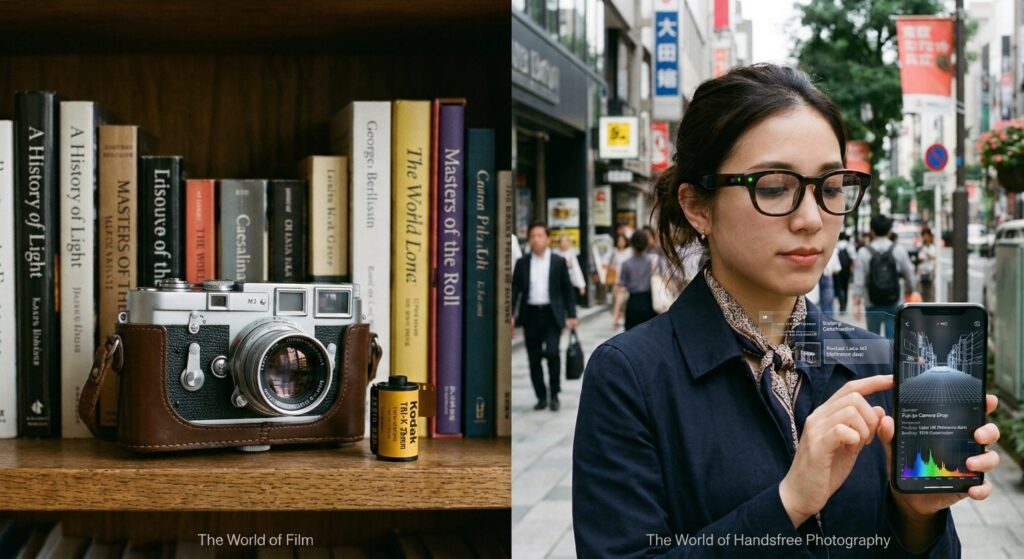
In the 1950s, taking pictures on vacation was a little different from what it is today. Families packed their bags, unfolded paper maps, and set off down the highway with a film camera somewhere in the car. Stops along the way might include a small-town diner, a roadside attraction, or a motel where everyone could rest before continuing the journey.
Not every picture turned out perfectly. Someone might blink, a child might look away, or the sun might make everyone squint. But those photographs often became some of the most memorable ones in the album.
Technology has changed a great deal since then. Still, people take pictures for much the same reason they always have: to remember the people, places, and little moments that make life special.
When the Open Road Called
After World War II, jumping in the car for a road trip became a quintessential part of American family life. As car ownership soared and highways steadily improved, a summer getaway no longer meant just staying in town or hanging out in the backyard. Suddenly, families could throw their bags in the trunk to visit relatives several states over or spend a couple of weeks exploring completely new parts of the country.
For most families, the drive itself was half the adventure. Kids leaned against the windows watching the landscape shift, parents scanned the highway for a good diner to grab lunch, and everyone kept their eyes peeled for quirky roadside stops. A quirky attraction that felt like a quick stretch of the legs back then often turned into a classic story told at family gatherings decades later.
Nothing captured the spirit of this era quite like Route 66. Stretching all the way from Chicago to Los Angeles, the famous highway wound through bustling cities, sleepy small towns, and vast open countryside. Its neon signs, cozy diners, vintage gas stations, and roadside motels quickly became iconic hallmarks of the classic American road trip.
The history of Route 66 and postwar American road travel offers a glimpse into how automobile travel helped shape the country’s postwar culture.
For families traveling during the 1950s and 1960s, a camera was often part of the packing list. Parents took pictures beside landmarks, children posed near the family car, and someone usually wanted a photograph outside a particularly memorable motel.
Looking at those pictures today, it is easy to notice things that the original photographers probably never thought about. The cars, clothes, buildings, and roadside signs offer little glimpses of everyday life that would otherwise be difficult to picture.
The Wait for Developed Photos
Taking photographs used to require a little patience. Film cameras could hold only a limited number of pictures, so people tended to think before pressing the shutter. A family might save most of its photographs for birthdays, holidays, and vacations rather than taking pictures throughout the day.
Getting everyone into the frame could take some effort, too. One person had to operate the camera while everyone else stood together and tried to smile at the same time. There was always a chance that someone would blink or move just as the picture was taken.
Then came the wait.
After a vacation, families might drop their film off at a local drugstore or photo counter. A few days later, they could finally see how the pictures had turned out. Sometimes the results were disappointing, but other times an accidental shot became the one everyone remembered.
Once developed, the photographs often ended up in albums. Parents wrote dates and places on the backs of prints, and children flipped through the pages whenever they wanted to revisit an old trip.
Those albums were more than collections of pictures. They held family stories, including the ones that were told over and over at holiday dinners. A photograph of a child standing beside a swimming pool might lead to a story about a memorable summer, while a picture of an old car could remind everyone of a breakdown halfway through a trip.
Everyday Moments Worth Remembering
Family vacations were not the only occasions when cameras came out. Some of the most interesting old photographs show nothing particularly unusual happening at all.
There are pictures of backyard barbecues, birthday parties, children riding bicycles, and relatives gathered around a kitchen table. Others show people dressed up for Sunday visits or standing outside their homes on an ordinary afternoon.
It’s funny how much these everyday snapshots can actually tell us. Take a family photo from the 1950s—you’ll often spot a shiny station wagon sitting in the driveway, a neatly manicured lawn, and outfits that feel light-years away from what we throw on today. Fast forward to the ’60s and ’70s, and the look completely shifts: bold patterned shirts, oversized collars, bell-bottoms, and unmistakable haircuts that instantly transport you right back to those eras.
Of course, the people in the pictures probably weren’t thinking about preserving a piece of history. They were simply taking photographs of their lives.
That is what makes the images so interesting now. A picture that once seemed unremarkable can become a reminder of a neighborhood that has changed completely or a relative who is no longer around.
It’s often the tiniest details that end up sticking with us the longest. You might not think much of the faded wallpaper in your grandparents’ hallway, the weathered picnic table where everyone squeezed in for summer cookouts, or the beat-up bike you rode until the streetlights came on. At the time, they’re just part of the background—but decades down the road, those quiet little memory anchors are often what bring the whole picture back to life.
From Film Cameras to Hands-Free Photography
Photography got a lot easier as cameras became smaller and far more practical. Instant cameras meant you didn’t have to wait days to see how a shot turned out, and when digital cameras came along, buying and developing rolls of film almost overnight became a thing of the past.
Smartphones, though, changed the game entirely. Today, nobody really worries about remembering to grab a separate camera before walking out the door. You can snap a quick picture of a great meal, capture a sunset on an evening walk, or send a quick family photo to relatives across the country in seconds.
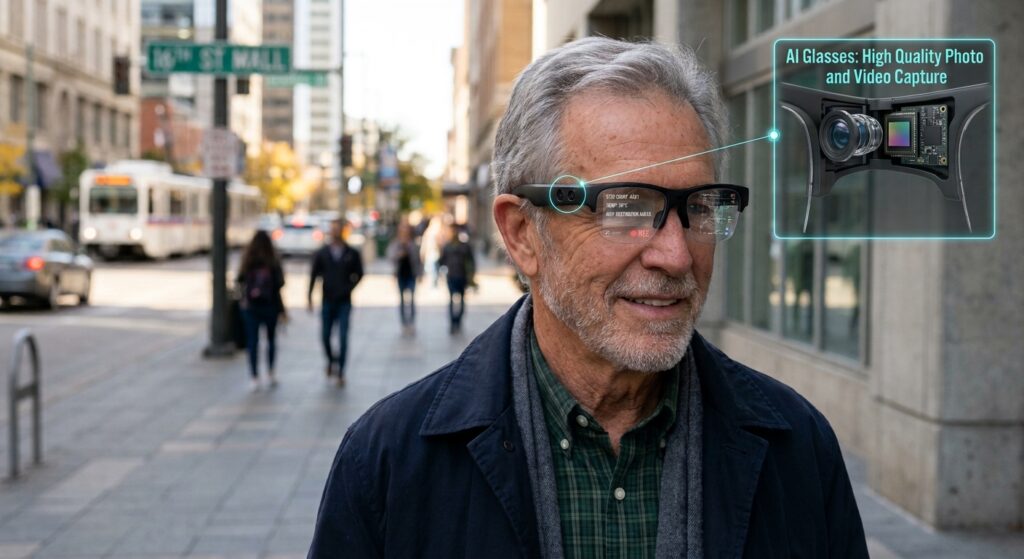
For people who like recording their adventures without constantly holding a phone, glasses with photo capture and recording features offer another option. Depending on the model, this eyewear can capture photographs or video while leaving the wearer’s hands free.
It is a long way from waiting several days to see a roll of film, but the purpose is much the same. People want to save moments they can look back on later.
Of course, not every experience needs to be documented. Sometimes it is better to put the camera away and enjoy the drive, the conversation, or the unexpected stop along the way. The best memories often come from things that were never planned.
Old Traditions, New Ways to Capture Memories
Road trips still give people plenty of reasons to take pictures. A scenic highway, a quiet main street, or a diner that looks as though it has barely changed in sixty years can make a memorable stop.
Some travelers prefer using a camera or smartphone, while others are interested in newer wearable devices. For example, glasses with an integrated camera can provide a way to capture certain moments without carrying a separate camera. Available features vary by model.
As with any recording device, it is important to respect other people’s privacy and ask permission when appropriate.
Even so, technology is only one part of the experience. A good road trip still needs a little curiosity, some flexibility, and perhaps a willingness to take the next turn just to see where it leads.
That spirit helps explain why classic American road trips remain appealing. Some people revisit routes they remember from childhood, while others want to experience the places they have seen in old photographs and movies. Readers can explore more about the lasting appeal of classic American road trips and the nostalgia of the open road.
The cars may be different, and the maps may now live on a phone screen, but the pleasure of discovering somewhere new has not disappeared.
Why We Keep Looking Back
There is a unique kind of comfort in sitting down with an old photo album. The pictures might be a bit faded, and a few faces might take a second to place, but all it takes is one familiar shot to bring a whole memory rushing back.
Someone might point to the family car that was always breaking down on the side of the road. Another might recall that little diner where the plates were bigger than the table, or a summer trip where it rained non-stop for a week. The photograph is really just a conversation starter—before long, everyone is jumping in with their own version of the story.
These old albums also give younger generations a window into a world before they were around. They get to see what their grandparents’ homes actually looked like, marvel at the clothes people wore, and get a feel for how families spent their weekends.
While taking and sharing photos on our phones is effortless now, printed photographs hold a special place that screens just can’t match. You can frame them, keep them in a shoebox under the bed, or pass them down to someone who will treasure them years from now.
Technology will keep evolving, just as it always has since the days of film rolls and roadside camera shops. But our reason for taking pictures hasn’t changed. We still want to hold onto family gatherings, quiet moments in favorite places, and trips we wish we could take one more time.
Whether a picture was taken next to a 1950s station wagon or on a modern road trip, the value isn’t in the image itself—it’s in the memory tied to it. The photo is simply the anchor that keeps that moment close.