
Everything You Need to Know About 245/50r16 Tires.
If you are reading this, you probably just looked at the sidewall of your tires and saw a string of numbers that brought you here. Tire sizes can feel like a secret code if you aren’t a mechanic or a hardcore enthusiast. But understanding them is the difference between a smooth, safe ride and a car that handles poorly or burns through fuel too fast.
Today, we are looking specifically at 245/50r16 tires. This isn’t the most common size on the road anymore, which can make shopping for them a bit tricky. You might find them on older muscle cars, certain sports sedans from the 90s, or custom setups. Because they are a bit specific, knowing exactly what you are buying and why matters a lot.
In this guide, we will break down what those numbers actually mean, why this specific size offers a unique balance of performance and comfort, and how to pick the right set for your ride.

Breaking Down the Numbers: What Does 245/50r16 Mean?
Before you buy anything, you need to know what you are looking at. That string of numbers isn’t random. It tells you the physical dimensions of the tire.
- 245: This is the width of the tire in millimeters, measured from sidewall to sidewall. A 245mm tire is fairly wide. For context, many standard economy cars run on tires that are 195mm or 205mm wide. A wider tire usually means more rubber on the road, which translates to better grip.
- 50: This is the aspect ratio. It represents the height of the tire’s sidewall as a percentage of the width. So, the sidewall height is 50% of 245mm. A “50 series” tire is in the middle ground; it’s not a super low-profile tire like you see on modern supercars, but it’s not a tall, balloon-like truck tire either.
- R: This stands for Radial construction. Almost every tire you buy for a passenger car today is a radial tire. It refers to how the internal cords are arranged.
- 16: This is the diameter of the wheel (rim) in inches that the tire fits. This tire is made for a 16-inch wheel.
This specific combination creates a tire that looks muscular. It has enough width for traction but enough sidewall to absorb bumps, making it a favorite for drivers who want performance without breaking their back on every pothole.
Why Choose This Tire Size?
Finding the right rubber for your vehicle can be overwhelming. If your car requires this size, or if you are considering “plus-sizing” to it, you are likely looking for a few specific characteristics.
This size sits in a sweet spot for many drivers. Because the tire is 245mm wide, you get a significant contact patch. That contact patch is where all the magic happens—braking, accelerating, and turning. More rubber down means the car feels planted. It doesn’t squirm as much under hard cornering compared to skinnier tires.
However, the “50” aspect ratio is just as important. Modern cars often push for 35 or 40 aspect ratios with massive 20-inch wheels. While that looks cool, the ride can be harsh. With a 50 aspect ratio on a 16-inch wheel, you have more air cushioning between the rim and the road. This absorbs road imperfections much better.
If you are hunting for replacements, you can check out a wide selection of 245/50r16 tires to see which brands still support this classic performance size.
Performance vs. Comfort: The Balancing Act
When you start shopping, you will notice tires fall into different categories. The “personality” of the tire changes how your car feels just as much as the size does.
The All-Season Approach
Most drivers stick with all-season tires because they are easy. You put them on, and they work reasonably well in rain, dry heat, and light cold. They are the “jack of all trades.” If you use your car for commuting or daily errands, this is likely where you want to put your money. They tend to last longer, often rated for 40,000 to 60,000 miles and they run quieter on the highway.
The Summer Performance Route
Because 245/50r16 is a wider size often found on sportier cars (think 3rd and 4th gen Camaros or Firebirds), you will find plenty of Summer or “Ultra High Performance” options. These use a softer rubber compound that gets sticky when it heats up.
- Pros: Incredible grip in dry conditions; sharper steering response; shorter braking distances.
- Cons: They wear out faster; they are useless (and dangerous) in snow or near-freezing temperatures; they can be noisier.
If you have a weekend toy that stays in the garage when it snows, go for summer performance rubber. You will feel the difference immediately in the corners.
![Car with 16 inch wheels and performance tires parked on asphalt]
Understanding Speed Ratings and Load Indexes

Two numbers often get ignored because they appear after the main size, but they are critical for safety. You might see something like “97W” after the size.
The Load Index (the number, e.g., 97) tells you how much weight that single tire can support when properly inflated. You never want to go lower than what your vehicle manufacturer recommends. If your car is heavy and you put tires with a low load index on it, you risk a blowout.
The Speed Rating (the letter, e.g., W) indicates the maximum speed the tire can sustain safely.
- S: Up to 112 mph
- T: Up to 118 mph
- H: Up to 130 mph
- V: Up to 149 mph
- W: Up to 168 mph
Even if you never plan to drive 149 mph, a higher speed rating usually means the tire has a stiffer construction and better handling characteristics. It will feel more stable at 70 mph on the highway than a lower-rated tire would.
The Challenge of 16-Inch Wheels in a Modern World
We have to address the elephant in the room: 16-inch wheels are becoming “vintage.” New performance cars often come with 18, 19, or even 20-inch wheels.
This industry shift affects availability. Major tire manufacturers focus their R&D budgets on the sizes that sell the most. As a result, you might find fewer options for 245/50r16 than you would for a more modern size like 245/40r18.
This doesn’t mean you can’t find good tires; it just means you have to be less picky about the brand or look harder. You might not find the absolute latest model of a Michelin Pilot Sport in this size, but companies like BFGoodrich, Cooper, and Hankook often keep these sizes in production for the enthusiast community.
When to Replace Your Tires
You shouldn’t wait for a blowout to think about new rubber. Tires tell you when they are tired, but you have to look.
The Penny Test is outdated. Using a quarter is better. Insert a quarter into the tread groove with Washington’s head upside down. If you can see all of his head, your tread depth is less than 4/32 of an inch, and it’s time to start shopping. If you wait until 2/32 (the legal limit in many places), your stopping distance in the rain increases dramatically.
Also, check the age. Tires have a birth date stamped on the sidewall (a four-digit code following “DOT”). The last two digits are the year. If your tires are more than six years old, the rubber starts to degrade and harden, even if the tread looks perfect. Old, hard rubber doesn’t grip the road, it slides over it.
Proper Maintenance for Wide Tires
Because a 245mm tire is wider than average, it can be more sensitive to alignment issues. If your car’s alignment is slightly off, you will see uneven wear very quickly.
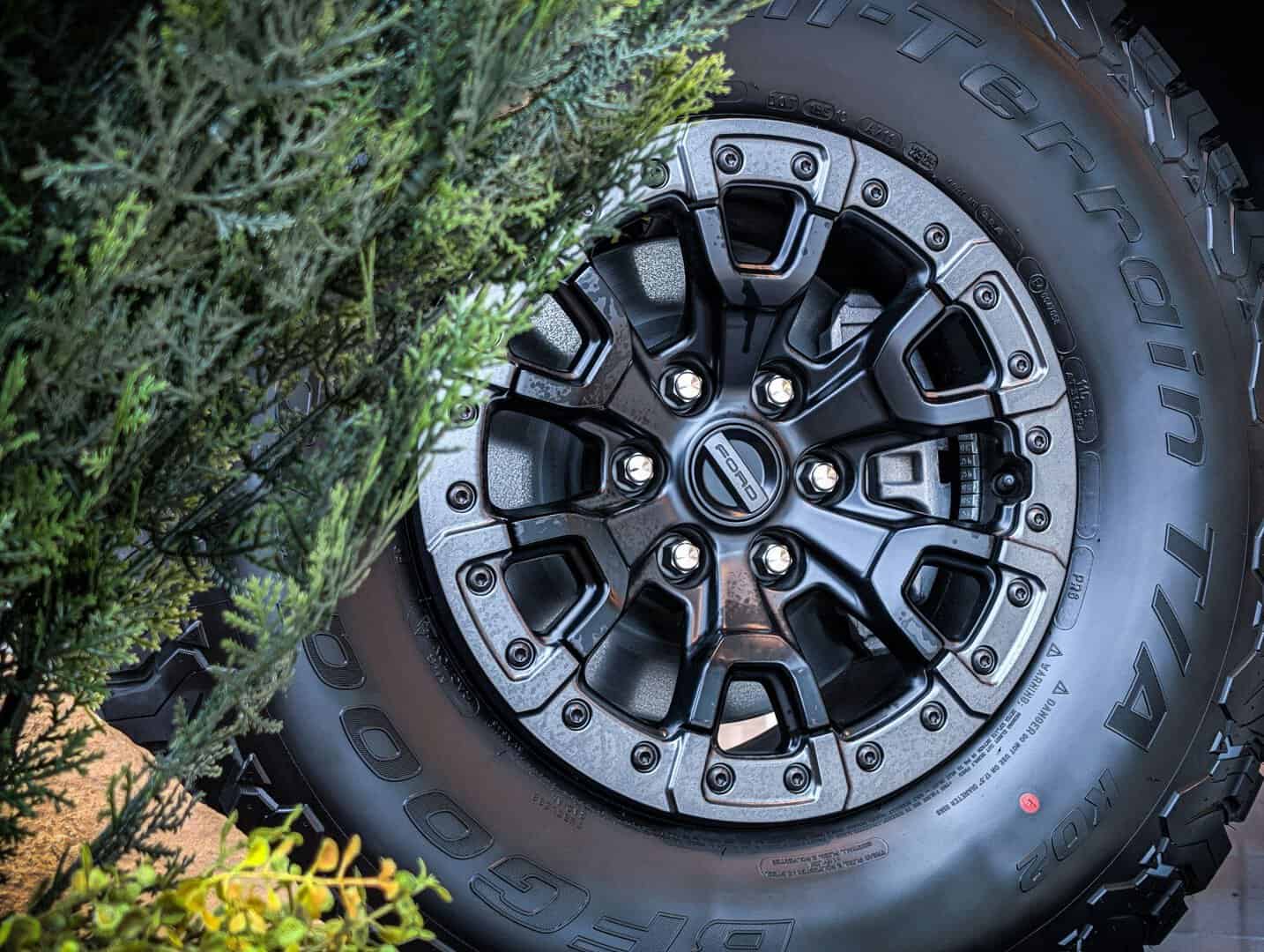
Watch for these signs:
- Inner or outer edge wear: This usually means your camber (the vertical tilt of the wheel) is off, or you have worn suspension parts like ball joints.
- Center wear: This typically happens if you consistently over-inflate your tires. The tire balloons in the middle and that strip takes all the abuse.
- Shoulder wear (both edges): This is the opposite under-inflation. The tire sags, and the edges carry the car’s weight.
Rotation is key. For most cars, rotating tires every 5,000 to 7,000 miles ensures they wear evenly. However, some performance cars use “staggered” setups (different sizes front and back) or directional tires (tires designed to spin only one way). If you have directional tires, you can only swap them front to back on the same side, not crisscross.
Buying Tips: What to Ask Your Tire Shop
When you are ready to buy, don’t just walk in and ask for the cheapest option. That is a recipe for regret. Ask questions that matter to your driving style.
If you live in a rainy area like Seattle or Florida, ask about hydroplaning resistance. Wider tires (like a 245) have a harder time cutting through standing water than skinny tires. They act a bit like water skis. You want a tread pattern with deep circumferential grooves that channel water away efficiently.
If you do a lot of highway driving, ask about road noise. Some aggressive tread patterns look cool but hum loudly at 65 mph. It gets annoying fast.
Here is a quick checklist for your purchase:
- Check the manufacturing date: Ensure the shop isn’t selling you “new” tires that have been sitting on a shelf for four years.
- Ask about warranties: Some manufacturers offer mileage warranties (e.g., 45,000 miles), but these often have strict requirements regarding rotation records.
- Confirm the installation cost: The sticker price is rarely the final price. Mounting, balancing, valve stems, and disposal fees for your old tires add up.
The Impact of Tire Pressure
We touched on wear, but pressure changes performance too. The “50” sidewall height on a 245/50r16 tire gives you some room to play with pressure for different results.
For daily driving, stick to the door placard recommendation (usually inside the driver’s door jamb). This pressure is calculated by the car engineers to support the vehicle’s weight safely.
However, if you take your car to an autocross event or a track day, you might increase pressure slightly to stiffen the sidewall and improve steering response. Conversely, drag racers often drop pressure in the rear tires to help the tire “wrinkle” and grip off the line though you should never drive on the street with dangerously low pressure.
Aesthetics: The “Meaty” Look
One reason car enthusiasts love the 245/50r16 size is the aesthetic. Modern car design favors “rubber band” tires on giant wheels. It looks sharp, but it also looks fragile.
A 16-inch wheel with a 50-series sidewall looks purposeful. It looks like it’s ready to work. It fills the wheel well with rubber rather than alloy. On muscle cars like the Camaro Z28 or the Pontiac Trans Am, this “meaty” tire look is period-correct and tough. It signals that the car is built for driving, not just parking at a show.
If you are restoring an older vehicle, sticking to the original 16-inch wheel size keeps the car’s handling dynamics how the engineers intended. Changing to a larger, heavier wheel can mess with the suspension geometry and make the car feel slower due to increased rotational mass.
Conclusion
The 245/50r16 tire might not be the most common size on the shelf anymore, but it remains a vital option for a specific group of drivers. It offers a unique blend of width for grip and sidewall height for comfort that modern low-profile tires struggle to match.
Whether you are keeping a classic muscle car on the road or just need new shoes for your daily driver, paying attention to the details load ratings, speed ratings, and tread types—will ensure you get the best performance for your money. Don’t cheap out on the only thing connecting your car to the ground. Good tires transform how a car feels, stops, and goes. Treat your car to a quality set, and enjoy the drive.