
VHS tapes are more than just old media—they’re snapshots of family holidays, childhood milestones, and unforgettable moments. But as magnetic tape deteriorates over time, these precious memories risk being lost forever. Fortunately, converting VHS to digital is now easier than ever, giving your videos a second life in a format that’s fast, easy, and accessible on modern devices.
In this guide, we’ll explore the best ways to digitize VHS, including both free and paid options, so you can preserve your family history without breaking the bank.
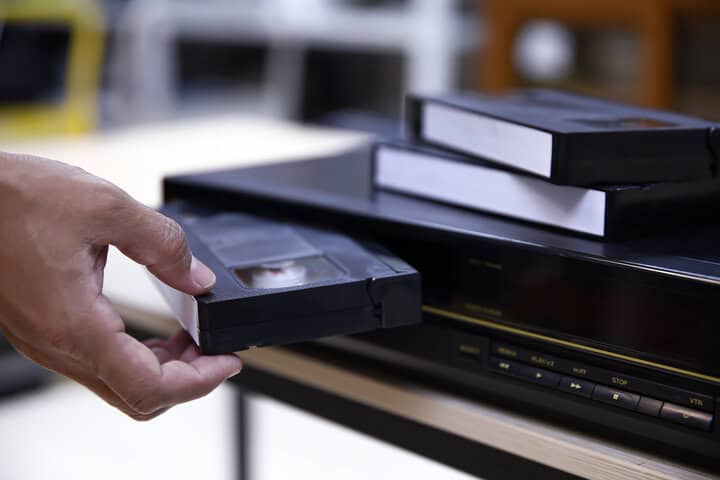
Why You Should Convert VHS to Digital
Magnetic tapes are fragile. Over time, they degrade, causing loss of quality, skipping, or complete playback failure. By converting VHS to digital, you can:
- Protect memories from physical decay.
- Easily share videos with friends and family via email, social media, or cloud storage.
- Edit or enhance your videos using simple software tools.
- Save space—digital files don’t require bulky shelves of tapes.
With these benefits, it’s clear why so many people are looking for the best way to convert video tapes to digital formats.
How to Convert VHS to Digital: Free Methods
If you want to digitize VHS tapes without spending money, there are a few options, although they may require patience and some DIY effort:
- Use a DVD Recorder
Many older DVD players allow you to record VHS tapes directly to DVD. Once on DVD, you can rip the footage to a digital file using free software such as HandBrake. This method is cheap and effective but may take time, as the tape plays in real time. - Use Free Capture Software with a VHS Converter
If you already own a VHS player and a USB VHS converter, you can use free software like OBS Studio or VLC to record the video to your computer. While this is completely free, the setup can be technical, and the quality may vary depending on your hardware.
Free methods are best if you have only a few tapes and don’t mind spending extra time on setup and recording. They offer a “cheap” solution, but for large collections, paid methods might be faster and easier.
Paid Methods for Fast and High-Quality Conversion
Paid options offer a fast, easy, and reliable way to convert VHS to digital. Here are the most popular approaches:
- Professional Conversion Services
Companies specialize in digitizing VHS tapes. You simply mail in your tapes, and they return digital files or USB drives. This is the best choice for people with a large collection or tapes that are already showing signs of deterioration. The cost per tape is reasonable, and the quality is usually excellent. - Software + VHS Converter
Investing in a good VHS converter allows you to digitize VHS at home. With a simple setup, you can record, enhance, and save videos in multiple formats. This method is faster than free DIY solutions and gives you more control over the final output.
Paid methods are ideal if you want the process to be smooth and hassle-free while maintaining high-quality digital files.
Tips for Best Results
Whether you choose free or paid methods, keep these tips in mind:
- Clean your tapes and player before conversion to avoid dust and playback issues.
- Use high-quality VHS converters for better video clarity.
- Record in real-time when using software to avoid frame skipping.
- Backup digital files to multiple locations—cloud storage and external drives are recommended.
With these precautions, your family memories will be preserved for decades to come.
Conclusion
Converting VHS to digital doesn’t have to be complicated or expensive. From free DIY options to professional services, there’s a method to fit every need and budget. By digitizing VHS tapes, you ensure that precious memories are safe, shareable, and future-proof. Whether you go for a quick, cheap solution or invest in a fast, high-quality process, your family history will live on for generations.