
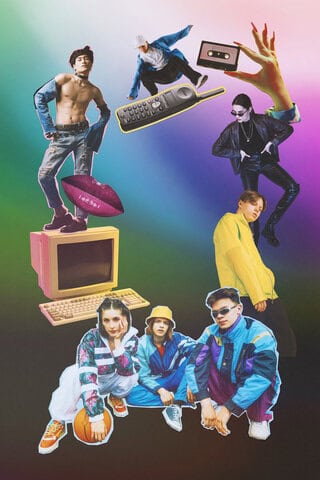
When people talk about Y2K fashion, they often focus on the obvious pieces: low-rise jeans, cropped tops, mini skirts. But its real impact goes beyond individual items. Y2K fashion changed the way modern silhouettes are built and perceived. It shifted proportions, moved focal points, and made fashion less rigid in how it defines “the right shape.”
Even today, long after the early 2000s, its influence is still visible in how outfits are balanced.
A New Focus on Proportion
One of the most noticeable changes Y2K fashion brought back was the cropped top. Shorter lengths completely altered how outfits felt. Instead of long layers covering the waist, the eye was drawn upward. The torso became part of the silhouette again.
This wasn’t just about showing skin. It was about breaking the predictable structure of top-meets-high-waist. When tops got shorter and waistlines dropped, the whole outfit shifted. Proportions felt lighter, sometimes more playful, sometimes more daring.
Today, even in more toned-down versions, cropped pieces are fully integrated into everyday dressing. The idea that a top doesn’t need to meet the waistband is now normal. That shift started with Y2K.
The Comeback of Lower Waists
Before Y2K returned, high-rise silhouettes dominated for years. They were considered flattering, modern, almost standard. Y2K fashion challenged that idea by bringing back lower waistlines.
Lower-rise jeans and skirts changed how clothes sit on the body. They create a different attitude, slightly more relaxed, sometimes more bold. Even when modern versions aren’t as extreme as early 2000s styles, the variety itself matters.
What changed is not just the height of the waistband, but the idea that there can be more than one “correct” silhouette at the same time. Y2K helped reopen that conversation.
Fitted and Relaxed in the Same Outfit
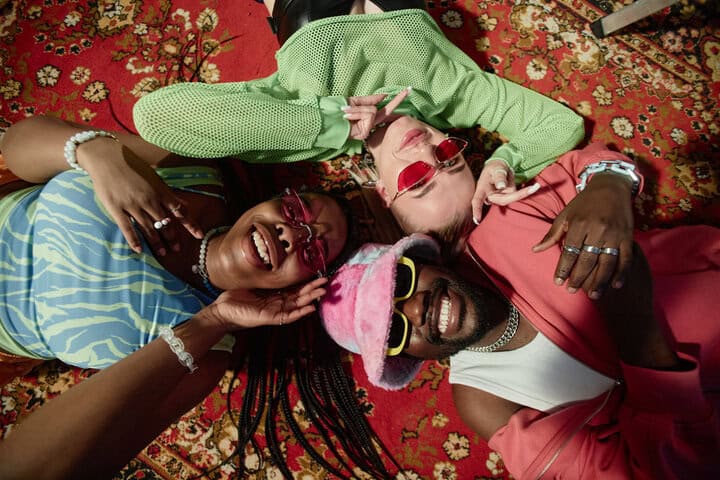
Another lasting effect of Y2K fashion is the mix of tight and loose pieces within one look. Baby tees paired with wider jeans. Slim tanks styled with flared pants. Mini skirts balanced by chunkier shoes.
This contrast gave outfits movement and energy. Instead of dressing oversized from head to toe or fitted from head to toe, Y2K fashion played with tension. One part of the body was defined, another allowed to flow.
Modern outfits still follow this logic. Even outside explicit Y2K styling, the idea of contrast remains strong. A fitted top with baggy trousers feels natural now. That balance became widely accepted again because of Y2K.
Shorter, Sharper Silhouettes
Y2K fashion also reintroduced shorter lengths in a confident way. Mini skirts, cropped jackets, compact cardigans. Clothes felt closer to the body, more compact, less layered in heavy ways.
Compared to oversized silhouettes that dominated other periods, this approach felt sharper and more direct. It didn’t hide the shape. It highlighted it.
Today’s fashion landscape reflects both influences. Oversized pieces still exist, but so do compact shapes. The coexistence of these options shows how much silhouettes have opened up since Y2K returned.
A More Playful Attitude Toward Shape
Perhaps the most important change Y2K fashion brought was a lighter attitude toward rules. It reminded people that silhouettes can be playful. That proportions don’t always need to follow classic formulas.
Flared pants could come back without irony. Low-rise could exist next to high-rise. Cropped layers could feel casual rather than dramatic. Y2K fashion made experimentation feel less intimidating.
Modern fashion feels more flexible because of that shift. Silhouettes are no longer dictated by a single dominant shape. They move, adjust, and mix freely.
Conclusion
Y2K fashion didn’t just reintroduce early 2000s pieces. It reshaped how modern silhouettes are understood. It brought back cropped proportions, lowered waistlines, contrast between fitted and relaxed pieces, and a willingness to question what “flattering” means.
Even when it’s subtle, its influence remains. Modern fashion is more open, more varied, and less strict about proportions because Y2K fashion expanded the possibilities. It didn’t replace one silhouette with another. It made room for many.