
The 50s were a time of change in America. Families went to the suburbs, televisions were common, and new products promised convenience. One of the most well-known inventions of the decade was the TV dinner.
How TV Dinners Changed American Family Life in the 1950s
TV dinners may be easy these days, but they introduced a change when they first came out, altering how families ate and socialized. They became an image of modern life.
What Were TV Dinners?
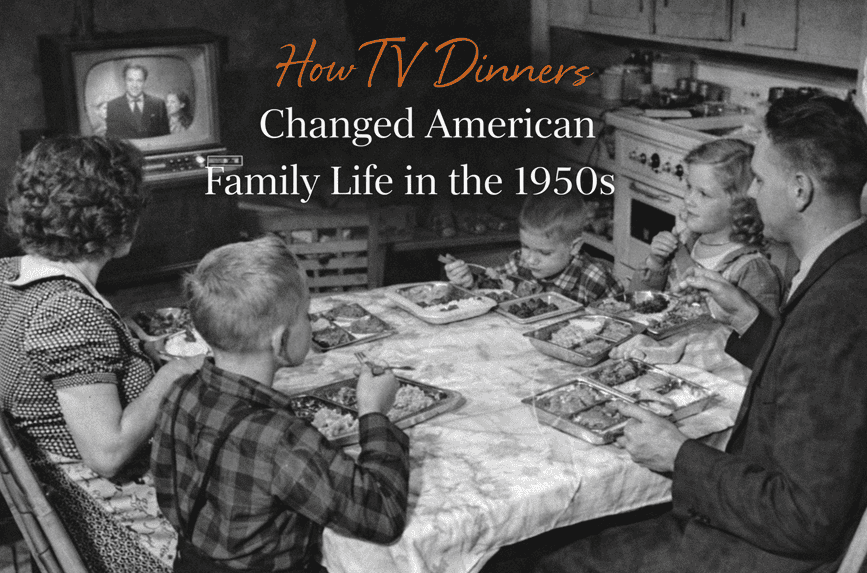
TV dinners were frozen meals that were sold in divided aluminum trays. Each tray often contained meat, vegetables, and dessert. The meal could be heated in the oven and served directly from the tray.
The first successful TV dinner was released by the Swanson company in 1953. It included turkey, cornbread stuffing, peas, and sweet potatoes.
The packaging design was well styled, modern, and attractive. The idea was simple – dinner made easy.
The Rise of Television
By the early 1950s, more American homes had televisions. Families huddled in the living room to watch the popular shows.
Before TV dinners, most families ate their food at the kitchen table. Mealtime was formal and heavily structured. The television started to change that routine.
With TV dinners, families could eat while consuming their favorite programs. This was a new way of living.
Convenience to Busy Families
In the 1950s, suburban development began. Most families had cars and some appliances. Convenience became significant.
TV dinners offered:
- No cooking from scratch
- Easy cleanup
- Quick preparation
To many mothers, this was a relief. Having a full meal every night could be time-consuming. Frozen meals required less time and effort.
The concept of “convenience food” became ingrained in the culture of America.
Changing Family Mealtime Habits
TV dinners gradually altered where and how families were eating.
Instead of eating together at a dining table, some families:
- Ate from trays in the living room
- Focused on the TV, rather than having a conversation
- Choose programs instead of shared discussion
- Mealtime became more casual. This change was a major cultural shift.
The Growth of the Frozen Food Industry
The success of TV dinners helped to grow the frozen food market. Supermarkets expanded the freezer sections to meet the demand.
Soon, companies offered:
- Beef dinners
- Chicken dinners
- Fish dinners
- Dessert options
Families loved the idea of variety without spending hours cooking. The frozen food industry had a rapid growth spurt because of this trend.
Advertising and Contemporary Living
Advertising contributed greatly to the success of TV dinners. Commercials depicted smiling families eating food and watching television.
TV dinners were presented as:
- Modern
- Efficient
- Perfect for busy households
They represented progress and technology. In an innovative decade, frozen dinners were exciting and new.
Criticism and Concerns
Not everyone supported the trend. Some critics believed that TV dinners resulted in less family bonding. They were concerned that spending less time at the dinner table would lead to less talking.
Still others questioned nutrition. Frozen meals were convenient, but they were often high in salt and preservatives.
Despite criticism, sales have been on a continuous growth.
A Symbol of 1950s Culture
TV dinners became a symbol of suburbia and consumer culture. They mirrored the values of the decade:
- Efficiency
- Modern appliances
- Television entertainment
- Growing consumer choice
They also showed how technology was entering everyday life.
Lasting Impact
Even though the shape of aluminum trays has evolved and the microwave has replaced the oven, the concept of ready meals is still strong today.
Frozen dinners led up to:
- Microwave meals
- Meal kits
- Fast food growth
- Quick-prep grocery items
The idea of kitchen convenience began in the 1950s.
TV dinners altered American family life in the 1950s by making meals faster and more flexible. They changed eating patterns from the dining table to the television room. They helped build the frozen food industry as well as supported the modern and convenient idea.
While they changed traditional family routines, they reflected the spirit of a changing America, as well. TV dinners are still one of the most recognizable icons of 1950s culture and suburban life.