
Letting Go of a Lifetime of Belongings: A Thoughtful Approach to Moving
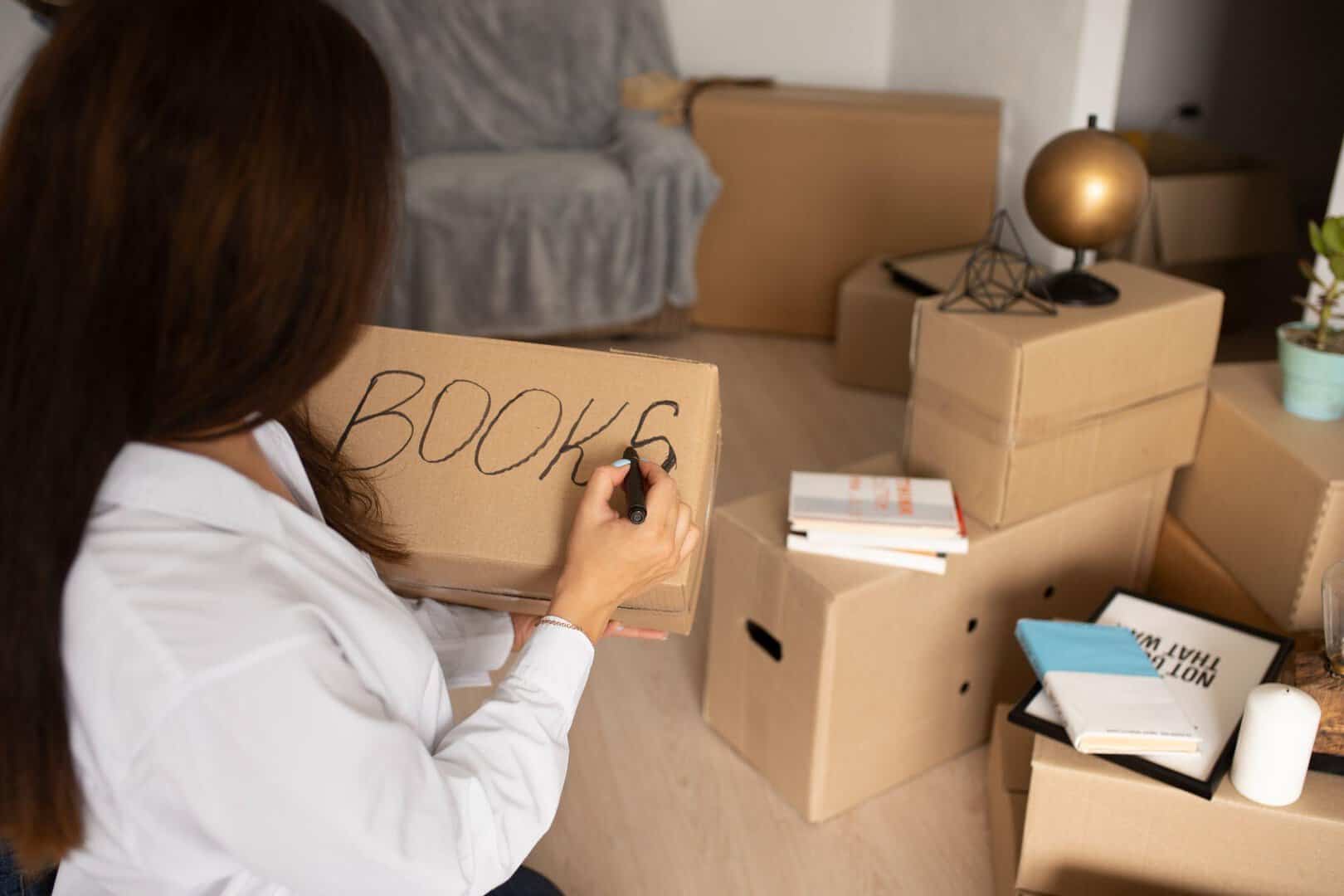
Image source: freepik.com
Moving to a new place is not just about changing where you live; it’s also a time to learn more about yourself and think about what you want. You may be moving for a new job, or you want to see new things and meet new people. Whatever the reason, packing up all your stuff can feel like a big job, especially if you’ve got a lot of things you’ve collected over the years. But even though moving can be hard, it’s also a chance to get rid of things you don’t need, organize your life, and figure out what’s really important to you. You can think about what you want to keep, what you want to give away, and what you want to throw away. It’s like a fresh start, and that can be really exciting. So, even though moving can be scary, it can also be a great opportunity to make your life better and happier. If you’re preparing to move within the United States, it’s important to approach this transition with a strategy to ensure a smooth, organized experience. Here’s how to manage the process thoughtfully and effectively.
The Emotional Aspect of Letting Go
When you’re getting ready to move, it’s a good idea to think about how you feel about the things you’ve collected over time. The stuff we own can be really special to us – like something that’s been passed down from our family, old toys from when we were kids, or books that we love to read. It can be hard to let go of these things because they remind us of good times or people we care about. So, it’s a good idea to be mindful and take your time when you’re deciding what to keep and what to let go of. This way, you can make sure you’re choosing what feels right for you. Start by acknowledging that this process doesn’t mean erasing memories; it’s about creating space for new experiences. Consider taking photographs of sentimental items that you no longer wish to keep. This allows you to preserve the memory without the physical clutter.
Sorting and Decluttering
When it comes to the physical side of moving, the best approach is to start early. Begin by sorting your belongings into categories: keep, donate, sell, or discard. You’ll likely find many things you no longer need or use. These items can be sold at a yard sale, donated to charity, or recycled. By getting rid of unnecessary items before packing, you’ll be lightening your load both physically and emotionally. When it comes to getting organized, it’s a good idea to take things one room at a time. This way, the task won’t feel so daunting, and you’ll be able to focus on one area at a time.
Begin with the rooms that don’t hold a lot of sentimental value, like the kitchen or bathrooms – these are usually easier to tackle. Once you’ve made some progress in these areas, you can move on to the more personal rooms, like your bedroom or office, where you may have stronger emotional attachments to the items you’re sorting through. By breaking it down into smaller, more manageable tasks, you’ll be able to make steady progress and stay motivated.
Relocation Strategy: Planning the Move
Once you’ve sorted through your belongings and decided what to keep, it’s time to think about how you’re going to move them. The logistics of relocating can vary greatly depending on the distance and volume of items you’re moving. For moves within the U.S., you may have the option to hire a professional moving company or rent a truck if you prefer to manage the process yourself.
To ensure everything goes smoothly, it’s important to request a moving quote. This will help you understand the costs involved, which can vary depending on the size of your home, the distance of the move, and the specific services you require. Whether you’re moving across the state or just a few towns over, getting an accurate quote will give you a clearer picture of your moving budget.
Additionally, if you choose to hire movers, make sure to research companies with good reviews and transparent pricing. A reputable moving company will provide you with the necessary supplies, such as boxes and packing materials, and may even assist with disassembling furniture.
Packing Smartly
Packing can be the most time-consuming part of the move, but with the right strategy, it doesn’t have to be stressful. Start by gathering all necessary packing materials—boxes, bubble wrap, tape, and markers. As you pack, be mindful of how you arrange items to ensure maximum space efficiency and protection. Label each box clearly with its contents and the room it belongs to. This will make the unpacking process much easier when you arrive at your new home. For fragile items, make sure to pack them securely with plenty of padding to avoid damage during the move.
Moving Day: Final Preparations
When the big day finally arrives, make sure you’re all set for the move. Get a checklist going to keep tabs on everything that needs doing – like confirming what time the movers are showing up, making sure all the boxes are packed up and sealed tight, and double-checking that important papers or valuables are stashed safely in a separate bag. This way, you can stay on top of things and avoid any last-minute panic. It’s also a good idea to have everything ready so you can focus on getting to your new place without any hassle. If you’re moving on your own, recruit friends or family to help with heavy lifting or driving. Make sure to take breaks and stay hydrated to keep energy levels up.
Settling Into Your New Home
Once you’ve arrived at your new home, take the time to unpack thoughtfully. Start with the essentials like kitchenware, toiletries, and bedding, and gradually move on to less urgent items. Remember, the goal is not just to fill your space, but to create a home that feels welcoming and organized. As you settle in, don’t forget to take moments to appreciate your fresh start. Moving within the U.S. offers a chance to explore new neighborhoods, make new memories, and build a life that reflects your current needs and aspirations.
Conclusion
When you get to your new place, take a moment to unpack carefully. Begin with the important stuff, like things for the kitchen, bathroom, and bed, and then move on to other things that aren’t as urgent. Just remember, it’s not just about filling up the space; it’s about making your new house feel cozy and organized, a place where you can really feel at home. As you get comfortable in your new place, remember to take a step back and enjoy the excitement of starting fresh. When you move to a new area in the U.S., you get to discover new neighborhoods, create new memories, and build a life that fits who you are and what you want today.