
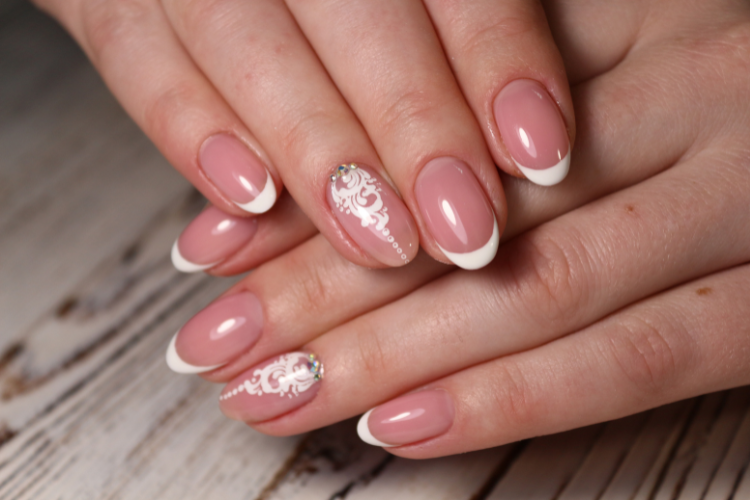
Alt text: Stylish manicure nail art
Image link: https://www.canva.com/photos/MADrLUPGc2U/
Beauty trends have always reflected the culture, fashion, and attitudes of their time. The 1950s, 1960s, and 1970s each introduced distinctive styles that continue to influence the beauty industry today. From glamorous Hollywood-inspired looks to bold self-expression, these decades helped shape many of the techniques and standards that modern nail professionals use every day.
Professional nail care has evolved dramatically over the years, thanks to advances in technology and changing customer expectations. However, many of today’s most popular nail styles can trace their origins back to these memorable decades. Looking at the past offers valuable insight into how classic beauty trends continue to inspire contemporary salons.
The Elegant Simplicity Of The 1950s
The 1950s were defined by polished sophistication. Fashion icons and Hollywood actresses embraced carefully styled hair, tailored clothing, and perfectly groomed nails. Soft pinks, reds, and natural-looking manicures became symbols of elegance and femininity.
Nail care during this period emphasized consistency and attention to detail. Women visited salons regularly to maintain neat, glossy nails that complemented their overall appearance. This commitment to routine maintenance laid the foundation for the professional salon experience that remains popular today.
The era also reinforced the importance of hygiene and presentation within beauty services. Clean workspaces, quality products, and skilled technicians became increasingly important as salons grew in popularity.
The Bold Creativity Of The 1960s
The cultural changes of the 1960s encouraged greater experimentation with fashion and beauty. Bright colors, geometric patterns, and artistic designs became increasingly common as people embraced individuality and self-expression.
Nail art began moving beyond simple solid colors. Clients became more willing to try unique finishes, contrasting shades, and creative combinations that reflected their personalities. This spirit of experimentation continues to influence today’s custom nail designs.
The decade also highlighted the growing role of beauty professionals as creative artists rather than simply service providers. Their ability to interpret trends and personalize treatments became a valuable skill that remains essential in modern salons.
The Individual Expression Of The 1970s
The 1970s introduced even greater diversity in fashion and beauty. Natural styles existed alongside glamorous disco-inspired looks, giving people more freedom than ever before to express themselves through personal style.
This flexibility carried into nail care. Earth tones, metallic finishes, shimmering polishes, and longer nail shapes all gained popularity at different points of the decade. Rather than following one universal standard, clients began choosing styles that reflected their lifestyles and preferences.
Today’s salons continue this personalized approach by offering an extensive variety of colors, finishes, and techniques designed to suit every client rather than promoting a single trend.
How Salon Technology Has Evolved
While beauty inspiration often comes from the past, professional tools have advanced significantly. Modern equipment allows technicians to work more efficiently while achieving greater precision and consistency than previous generations could imagine.
Electric nail drills, advanced curing lamps, and improved nail products help professionals complete services with greater accuracy. These innovations also improve comfort for both technicians and clients during appointments.
Professionals looking to upgrade their equipment can explore O Nail drills and lamps available from F.O.X Nails, which are designed to support efficient, high-quality nail services. While today’s tools are far more advanced, they continue the decades-long commitment to delivering polished, professional results.
The Importance Of Professional Skill
Technology alone does not create beautiful nails. The beauty professionals of the 1950s, 1960s, and 1970s relied heavily on their training, steady hands, and artistic judgment. Those same qualities remain essential today.
Successful nail technicians combine technical knowledge with creativity. They understand nail health, sanitation practices, product application, and design principles while adapting each service to individual client needs.
Continuing education has become another defining characteristic of the modern nail industry. Professionals regularly learn new techniques to stay current with changing styles and customer expectations.
Fashion Continues To Inspire Nail Trends
Many modern nail trends directly reference classic fashion from previous decades. Cherry reds reminiscent of the 1950s remain timeless favorites. Bright graphic designs continue to reflect the playful creativity of the 1960s, while metallic finishes and earthy color palettes often echo the 1970s.
Fashion designers frequently revisit vintage styles on contemporary runways, and nail artists naturally follow these influences. As a result, classic beauty trends continue to appear in fresh and modern ways.
This ongoing connection between fashion history and nail design demonstrates that great ideas rarely disappear. Instead, they evolve alongside new techniques and technologies.
Client Expectations Have Changed
Although vintage beauty trends remain influential, today’s salon clients expect more personalized experiences. Rather than requesting identical styles, clients often seek customized nail designs that suit their personalities, careers, and lifestyles.
This shift has encouraged salons to expand their service offerings. Gel systems, structured manicures, intricate nail art, and customized color combinations provide clients with countless options that were unavailable decades ago.
At the same time, clients continue to value many traditional qualities, including professionalism, cleanliness, reliability, and attention to detail. These timeless expectations connect today’s salons with those of previous generations.
The Growing Focus On Nail Health
Earlier beauty routines often prioritized appearance above everything else. Modern professional nail care places much greater emphasis on maintaining healthy natural nails while achieving attractive results.
Technicians now understand the importance of proper preparation, safe product removal, and minimizing unnecessary damage during treatments. Better education and improved products have helped raise standards throughout the industry.
This balanced approach allows clients to enjoy fashionable nails while supporting long-term nail health, creating a more sustainable salon experience.
Why Beauty History Still Matters
Studying beauty history offers more than simple nostalgia. It helps professionals understand how customer preferences evolve and why certain trends remain popular across generations.
Classic decades remind us that beauty is constantly changing while certain principles remain consistent. Quality workmanship, creativity, personal expression, and professional care continue to define successful nail services regardless of the era.
By appreciating the innovations of the past while embracing modern technology, today’s nail professionals can continue delivering exceptional experiences that combine timeless style with contemporary performance.
Conclusion
The beauty trends of the 1950s, 1960s, and 1970s continue to shape professional nail care in meaningful ways. From elegant manicures and bold artistic expression to personalized styling, these decades established many of the principles that still influence salons today. Modern equipment and techniques have transformed how services are delivered, but the dedication to creativity, craftsmanship, and helping clients feel confident remains as timeless as the iconic beauty trends that inspired it.