
The Rise of Suburban Living in the 1950s and How It Changed Daily Life
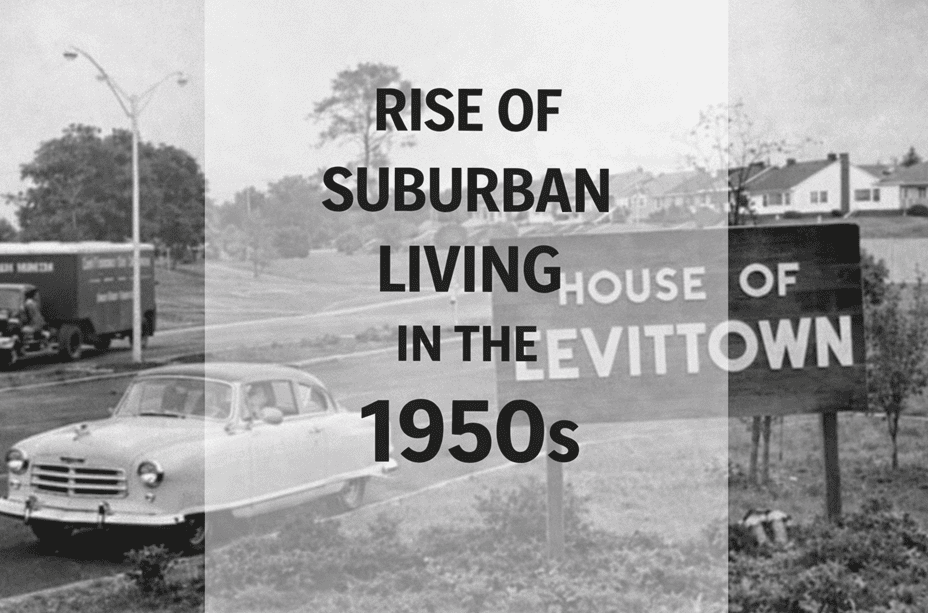
Suburban living in the 1950s became one of the most important social changes in postwar America. After World War II, millions of families moved from crowded city neighborhoods to new suburban communities. These areas had affordable homes, quiet streets, and more space for growing families.
For many Americans, owning a home in the suburbs was stability and success. New neighborhoods soon sprang up outside the major cities, returning communities based on schools, shopping centers, and a family-centered approach.
As a result of suburban living taking over in the 1950s, the way people worked, traveled, shopped, and spent time with their families changed. The shift impacted people’s daily lives and reshaped American culture for generations.
Why Suburban Living in the 1950s Expanded So Quickly
Several factors assisted suburban living in the 1950s in growing rapidly. One of the main reasons for this was the housing shortage after World War II. Millions of soldiers came home and wished to get married and start families, but in many cities, there was not enough affordable housing.
Government programs had made homeownership easier during this period. Low-interest mortgage loans and financial assistance for veterans enabled many families who previously could not afford houses to buy homes.
Developers responded by creating a large planned community outside the major cities. These neighborhoods often featured hundreds, or even thousands, of homes constructed in short periods and sold at reasonable prices.
This combination of government support, good demand, and large-scale construction helped suburban living grow across the country.
Affordable Homes Altered Family Life
One of the chief attractions of suburban life in the 1950s was the availability of inexpensive single-family homes. Many houses built during this time period were small but practical. Typically, they had two or three bedrooms, a living room, a kitchen, and a private yard.
Compared to apartments in the cities, suburban homes had more privacy and room for families. There was more room for children to play outdoors, quieter streets, and less-crowded neighborhoods for parents.
Backyards became an important part of everyday life. Families used them for barbecues, to garden, and to play outdoor games. These simple activities fostered a relaxed lifestyle centred around the home.
The possession of property also provided families with a sense of financial security and longevity.
The Role of Cars in the Suburban Way of Life
Automobiles were a necessary part of suburban living in the 1950s. Because suburban neighborhoods were outside city centers, most residents relied on cars for transportation.
Car ownership also greatly increased during the decade. Many families owned at least one, if not two, vehicles. New highways and roadways made commuting between suburbs and cities easier.
Daily routines often involve driving. Parents drove to work, children went to school or activities, and families drove to shop and for entertainment.
The automobile became one of the defining characteristics of suburban life and influenced community design.
Schools Became the Focal Point of Neighborhood Life
As suburban living in the 1950s increased, new schools were built to accommodate the growing population of families who had children. Many suburban communities, therefore, were built around nearby schools and playgrounds.
Schools also quickly became important neighborhood social centers. There was parental rapport at school events, sports games, and meetings, creating a strong bond with neighbors.
Children often tended to walk or ride their bikes to school, which fostered friendships between families who live close to each other. Community activities and school events helped foster the close-knit atmosphere that so many suburban dwellers cherished.
Shopping and Services Transferred to the Suburbs
Suburban living also altered how people shopped. Instead of taking excursions into city centers, families increasingly went to local shopping centers that were located near residential neighborhoods.
These early shopping areas in the suburbs typically consisted of grocery stores, pharmacies, bakeries, and small retail stores. Large parking lots made it easy for customers to simply drive in, shop fast enough, and drive back home.
This new style of retail development was to lead to the growth of suburban malls in the coming decades. Convenient local shopping became an important part of suburban daily life.
A Family-Focused Lifestyle That Is Much Slower
The suburban lifestyle in the 1950s promoted a family– and home-oriented way of life. Compared with urban life, suburban neighborhoods were quieter and often felt safer.
Evenings included family dinners, watching television, or being outside in the yard, etc. Weekends were also often spent on home improvement projects, gardening, or neighborhood gatherings.
Children spent more time playing outside with their friends who lived close to home, thereby building relationships within the community.
This family-oriented lifestyle became one of the chief reasons many Americans preferred suburban communities.
The Lasting Impact of Suburban Living
The expansion of suburban living in the 1950s had a lasting impact on American society. The dream of owning a home in a quiet neighborhood with access to schools, parks, and shopping became a goal for many families.
Suburban development has continued through the next decades and is still a major component of the American way of life today.
The shifts that began in the 1950s influenced how communities were built, how people traveled, and how families organized their daily routines. Suburban living became more than a housing trend – it became a defining attribute of modern American life.