
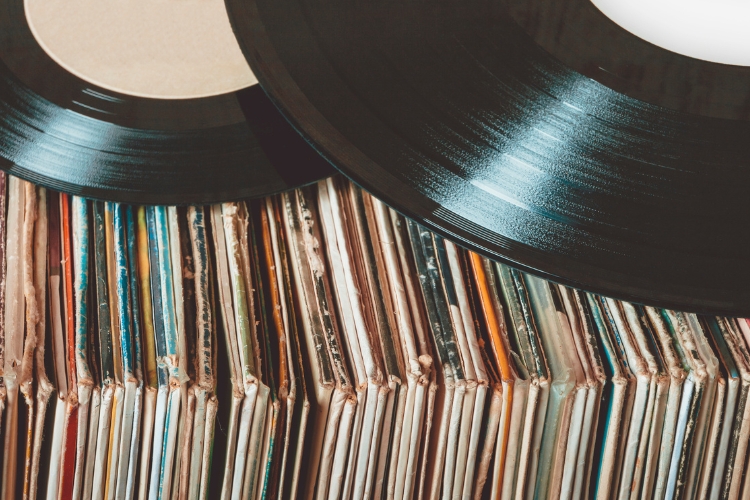
[Photo by SergeKa on Canva].
The 1970s marked a defining period in the history of recorded music. While vinyl records had already established themselves as the preferred music format in previous decades, the 1970s transformed them into something far more than a way to listen to songs.
This decade witnessed remarkable creativity across multiple genres. Classic rock expanded into arena-sized performances, disco filled dance floors, soul continued to evolve, punk challenged musical conventions, and singer-songwriters found devoted audiences. Vinyl was the common thread connecting these diverse styles, giving listeners a tangible way to engage with their favorite artists.
Understanding how vinyl culture flourished during this era provides valuable insight into why records continue to attract collectors and music lovers decades later.
Records Became Part of Everyday Life
By the early 1970s, owning a record player had become a familiar part of many households. Music was no longer limited to live performances or radio broadcasts. Instead, listeners could build personal collections that reflected their tastes and personalities.
Purchasing a new album often became an event in itself. People visited local record shops, browsed newly released titles, discussed recommendations with store employees, and returned home eager to hear an album from beginning to end.
Several factors contributed to this growing culture:
- Home stereo systems became increasingly popular.
- Albums featured artwork that encouraged physical collecting.
- Musicians treated records as complete artistic projects rather than collections of individual songs.
- Record stores became important social spaces where music fans exchanged ideas and discovered new artists.
Listening sessions also became shared experiences among friends and family. Instead of skipping between songs, many people appreciated albums exactly as artists intended, creating a stronger connection between listeners and the music.
Album Artwork Became an Extension of the Music
One of vinyl’s defining characteristics was its large album cover. The twelve-inch format provided artists and designers with a canvas that few other media could match.
Album sleeves featured photography, paintings, illustrations, lyrics, and detailed liner notes that expanded the listening experience. For many fans, opening a newly purchased record and examining every detail became part of the excitement.
Some albums even introduced elaborate gatefold packaging, booklets, and printed inserts. These additions helped establish records as collectible objects rather than disposable entertainment.
The visual presentation also encouraged listeners to spend more time with an album. Reading lyrics while the record played or studying cover artwork deepened appreciation for both the music and the creative vision behind it.
Record Stores Became Community Spaces
Independent record stores flourished throughout the decade, serving as much more than retail locations. They became gathering places where customers discussed new releases, discovered unfamiliar genres, and shared recommendations.
Store owners often introduced customers to artists they might never have encountered otherwise. Personal conversations replaced digital algorithms, creating a more human approach to discovering music.
Today, businesses such as Evergreen Vinyl continue supporting collectors who value physical music formats and carefully curated selections. Modern retailers build on traditions established during the 1970s by helping enthusiasts find records that match their interests and collections.
For collectors looking to expand their libraries or revisit classic recordings, browsing Evergreen Vinyl offers a contemporary example of how vinyl culture continues to thrive through dedicated record retailers.
The 1970s Encouraged Album-Oriented Listening
The rise of vinyl culture also changed how audiences consumed music. Instead of focusing exclusively on hit singles, listeners increasingly embraced complete albums.
Many musicians designed records with carefully planned track sequences that guided listeners through a beginning, middle, and end. Songs flowed naturally into one another, creating cohesive musical journeys that rewarded uninterrupted listening.
Several genres particularly embraced this format.
- Classic Rock: Bands released albums featuring extended compositions, thematic concepts, and carefully arranged track lists.
- Progressive Rock: Artists experimented with storytelling, orchestration, and ambitious recording techniques that were best experienced from start to finish.
- Soul and Funk: Albums balanced energetic performances with slower, reflective songs that highlighted an artist’s versatility.
- Disco: Dance records encouraged listeners to experience continuous rhythms that carried across multiple tracks.
These approaches reinforced vinyl’s role as more than simply a storage format. The record itself became part of the artistic presentation.
Collecting Became a Lasting Hobby
The 1970s also helped establish record collecting as a lifelong pastime. Many people began purchasing albums regularly, organizing collections alphabetically, preserving original sleeves, and searching for rare releases.
Collectors often valued records for different reasons:
- Musical significance.
- Original pressings.
- Cover artwork.
- Historical importance.
- Personal memories connected to certain albums.
Unlike disposable media formats, vinyl encouraged long-term ownership. Records frequently moved with families through different homes and generations, preserving both music and personal history.
That tradition continues today as younger collectors discover albums originally released decades ago. Many appreciate not only the sound quality but also the physical connection that records create between artists and listeners.
Evergreen Vinyl reflects this continuing interest by serving collectors who value physical formats, music history, and carefully maintained records. Rather than replacing digital listening, vinyl has become a complementary experience that encourages intentional engagement with music.
The Lasting Influence of 1970s Vinyl Culture
Although music technology has changed dramatically since the 1970s, many aspects of vinyl culture remain remarkably familiar. Record Store Day celebrations, independent music retailers, album reissues, and growing collector communities all trace part of their heritage to the habits established during this influential decade.
The 1970s demonstrated that music could become more than sound alone. Album artwork, thoughtful sequencing, physical ownership, and community interaction combined to create a richer listening experience that extended well beyond the turntable.
As new generations continue discovering vinyl, they are participating in traditions that began decades earlier. While streaming offers convenience, records provide something different: an opportunity to slow down, appreciate complete albums, and engage with music in a deliberate way.
Conclusion
The rise of vinyl culture during the 1970s reflected more than changing music formats. It represented a shift in how people experienced, collected, and shared music. Record stores became community hubs, albums became artistic statements, and listening transformed into an intentional activity that rewarded time and attention.
Those traditions continue influencing today’s collectors and music enthusiasts. As vinyl maintains its place alongside modern listening platforms, the legacy of the 1970s remains evident in every carefully chosen album, thoughtfully organized collection, and memorable listening session that begins with placing a record on the turntable.