
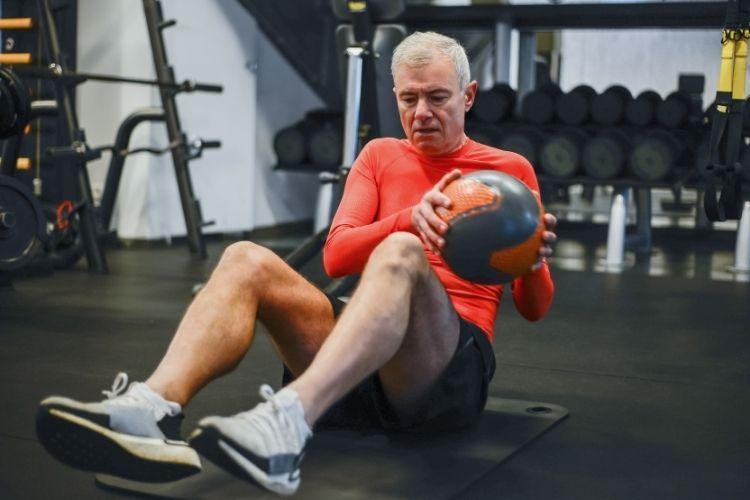
[Photo by Kampus Production from Pexels on Canva.]
Many people expect a few aches and pains as they get older, but feeling constantly drained isn’t something you have to accept. While it’s true that energy levels can change after 50, those changes are often influenced by a combination of lifestyle, sleep, physical activity, nutrition, and underlying health conditions rather than age alone.
The good news is that many of these factors are within your control. Understanding why your energy changes is the first step towards feeling stronger, staying active, and continuing to enjoy the hobbies, family life, and independence that matter most.
Your Body Changes With Age
Aging affects nearly every system in the body. Muscle mass gradually declines, metabolism slows, and recovery from physical activity often takes longer than it did in your twenties or thirties. These changes can influence how energetic you feel throughout the day.
The National Institute on Aging explains that aging brings physical changes. Healthy habits can help preserve strength, mobility, and overall well-being. Staying physically active, eating a nutritious diet, and getting adequate sleep all play important roles in healthy aging.
For some men, persistent low energy may also be linked to hormonal changes. Testosterone naturally declines with age, although not every man develops testosterone deficiency. If symptoms such as ongoing fatigue, reduced muscle strength, low libido, or poor concentration continue despite healthy lifestyle habits, it may be appropriate to speak with a healthcare professional and explore options that involve proper medical assessment rather than self-diagnosis.
Sleep Becomes More Important Than Ever
One of the biggest reasons people experience lower energy after 50 is poor-quality sleep.
Sleep patterns change with age. Many adults find themselves waking earlier, sleeping more lightly, or waking during the night more frequently. Unfortunately, poor sleep doesn’t just leave you tired the next morning. It also affects memory, mood, immune function, and your body’s ability to recover from daily activities.
The Centers for Disease Control and Prevention recommends maintaining a regular sleep schedule, avoiding heavy meals and alcohol close to bedtime, limiting screen exposure before bed, and creating a cool, quiet sleeping environment.
Rather than focusing only on how many hours you spend in bed, focus on having consistent, high-quality sleep.
Staying Active Creates More Energy
When your energy is low, exercise can feel like the last thing you want to do. However, research consistently shows that regular physical activity helps improve energy levels over time. Exercise strengthens the heart, improves circulation, supports healthy weight management, and helps maintain muscle mass, which declines with age.
The Physical Activity Guidelines for Americans recommend that older adults aim for at least 150 minutes of moderate-intensity aerobic activity each week, along with muscle-strengthening exercises on two or more days.
That doesn’t mean you need to spend hours in the gym.
Walking with friends, gardening, swimming, cycling, dancing, or using resistance bands at home can all contribute to better physical fitness. The key is finding activities you genuinely enjoy, making it easier to stick with them.
Nutrition Plays a Bigger Role Than Many People Realise
It’s common to notice that eating habits that worked decades ago no longer leave you feeling your best.
As we age, our bodies become slightly less efficient at using nutrients, while protein becomes increasingly important for preserving muscle mass. Fiber-rich foods also support digestive health and help regulate blood sugar, preventing the energy crashes that often follow highly processed meals.
Aim to include:
- Lean protein such as fish, poultry, eggs, beans, or Greek yogurt.
- Plenty of colorful vegetables and fruit.
- Whole grains instead of refined carbohydrates.
- Healthy fats from foods like nuts, seeds, olive oil, and avocado.
- Plenty of water throughout the day.
Even mild dehydration can contribute to fatigue, headaches, and poor concentration, making hydration an easy habit to improve.
Stress Doesn’t Always Feel Like Stress
Many people associate stress with demanding careers or raising young children, but life after 50 brings its own challenges.
Caring for aging parents, financial planning, retirement decisions, health concerns, or becoming grandparents can all create ongoing mental pressure.
Chronic stress increases the production of cortisol, the body’s primary stress hormone. While cortisol is essential in the short term, consistently elevated levels may interfere with sleep, mood, and overall well-being.
Simple habits can help reduce daily stress, including:
- Taking regular walks outdoors.
- Maintaining social connections.
- Practicing mindfulness or deep breathing.
- Spending time on hobbies.
- Setting realistic expectations instead of trying to do everything.
These small routines won’t eliminate stress, but they can improve your resilience over time.
Don’t Overlook Routine Health Checks
Fatigue has many possible causes, and not all of them are related to aging.
Conditions such as anemia, thyroid disorders, diabetes, sleep apnea, depression, medication side effects, and vitamin deficiencies can all affect energy levels.
For men, persistent symptoms may also warrant an evaluation of hormone levels. According to the Endocrine Society, testosterone deficiency should only be diagnosed when symptoms are accompanied by consistently low testosterone levels confirmed through appropriate laboratory testing.
This is why medical assessment matters. Rather than assuming fatigue is simply part of getting older, discussing ongoing symptoms with your GP allows potential causes to be investigated and treated appropriately.
Small Habits Deliver Lasting Results
One of the biggest mistakes people make is trying to change everything at once. Instead, focus on small improvements you can maintain.
You might:
- Walk for 20–30 minutes most days.
- Go to bed at the same time each evening.
- Replace sugary snacks with protein-rich alternatives.
- Drink more water during the day.
- Add two strength-training sessions each week.
- Schedule annual health check-ups.
These changes may seem modest individually, but together they create a solid foundation for better long-term energy.
Conclusion
Feeling less energetic after 50 isn’t unusual, but it isn’t something you have to accept without question.
Many factors contribute to changing energy levels, including sleep quality, physical activity, nutrition, stress, and underlying health conditions. While aging naturally affects the body, consistent healthy habits remain one of the most effective ways to maintain vitality and independence.
Most importantly, persistent fatigue shouldn’t be ignored. If lifestyle improvements aren’t making a difference, speaking with a qualified healthcare professional can help identify any underlying issues and provide personalized guidance.
Growing older may change your body, but it doesn’t have to define how energetic, active, or engaged you feel each day.
References
- National Institute on Aging. What Do We Know About Healthy Aging?
- Centers for Disease Control and Prevention. About Sleep.
- U.S. Department of Health and Human Services. Physical Activity Guidelines for Americans, 2nd Edition.
- Endocrine Society. Testosterone Therapy for Hypogonadism Clinical Practice Guideline.
- National Institute on Aging. Exercise and Physical Activity.