
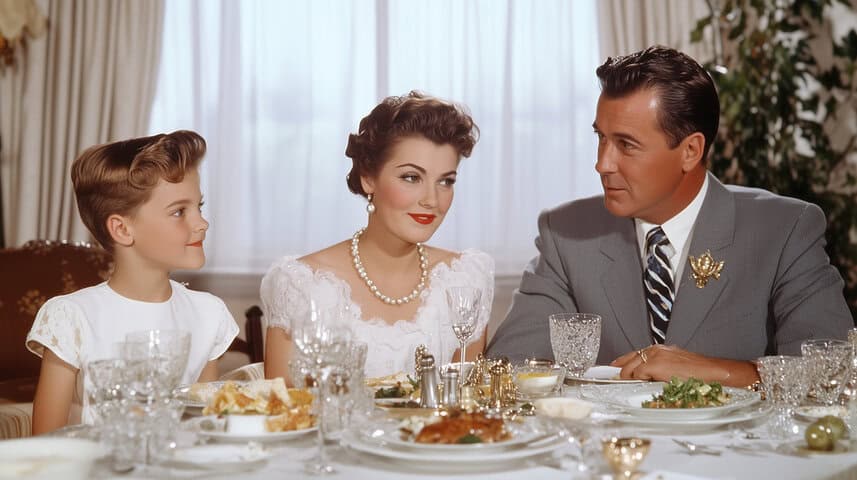
Some of you remember when dinner meant everybody sat down at the dining room table at precisely 6:00 PM to eat a home-cooked pot roast while Dad asked how school went. If you grew up back in the day, that image is probably burned into your brain right alongside saddle shoes, chrome hubcaps, and massive tailfins. The supper table was the undisputed center of the universe for the whole house.
Now that daily plate—and everything around it—looks completely different. We went from creamy canned soup casseroles and mandatory family dining to ordering sushi on an app and eating alone while scrolling TikTok and Insta on our phones. So what actually happened to the traditional family dinner, how did our eating habits shift so much, and what was pulling the strings behind the scenes? Let’s examine the evolution of the American meal.
The 1950s: Science in a Foil Pan
Post-World War II America was obsessed with progress, science, and anything that saved a little effort. Kitchen appliance companies and food brand marketers lined up to hand the 1950s homemaker a whole fleet of new processed shortcuts, promising to rescue her from hours of slaving over a hot stove.
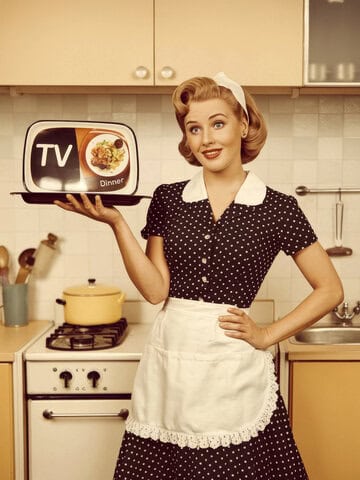
The standard menu was pure meat and potatoes, usually served with canned green beans and those famous gelatin molds that hid everything from fruit cocktail to shredded carrots. But the real shakeup happened in 1953 when Swanson accidentally overbought thousands of frozen turkeys after Thanksgiving. Their fix? Slice up the turkey, throw in cornbread dressing, frozen peas, and sweet potatoes on a partitioned aluminum tray, slap a 98-cent price tag on it, and call it the TV Dinner.
Even as convenience foods started creeping into the pantry, the dinner hour itself stayed pretty rigid. Dad came home from work, Mom set the formal table, and everyone sat down together to recap their day. TVs were rapidly taking over the living room, but eating your dinner right in front of the set was still treated as a special weekend treat instead of a daily habit.
The 1960s: Fast Food and a Taste for the New
When the sixties kicked into gear, suburban neighborhoods were popping up everywhere, highways were expanding, and families were spending way more time on the road. The push for speed and convenience opened the door wide for the fast-food boom.
Julia Child was bringing classic French cooking into ordinary living rooms on public television, inspiring folks to try their hand at Beef Bourguignon and fondue on the weekends. But on busy weeknights, McDonald’s was busy stamping its Golden Arches across the map. Dining out—something that used to be saved for big anniversaries or rare celebrations—was suddenly a cheap, super-fast shortcut when nobody felt like cooking.
That classic dining room routine started showing its first real cracks. Drive-in spots became the place for teenagers with cars to hang out. Bit by bit, meals were breaking free from the kitchen tafble and moving into car front seats, paper bags, and glove compartments.
The 1970s: Microwaves and Boxed Dinner Hacks
If one single decade owned the crown for quirky comfort food and culinary shortcuts, it was the 1970s. Women were entering the workforce in record numbers, which meant way less time to chop, simmer, and prep after getting home from a long workday.
Food companies jumped on the chance to solve that weeknight scramble. Boxed helpers like Hamburger Helper, which landed in 1971, blew up overnight because a tired parent could stretch one pound of ground beef into a full meal in twenty minutes using just one pan. Cream of mushroom soup stayed undefeated as the magic glue holding every casserole together, while quiche became the trendy dish to serve if you were hosting grown-up dinner guests.
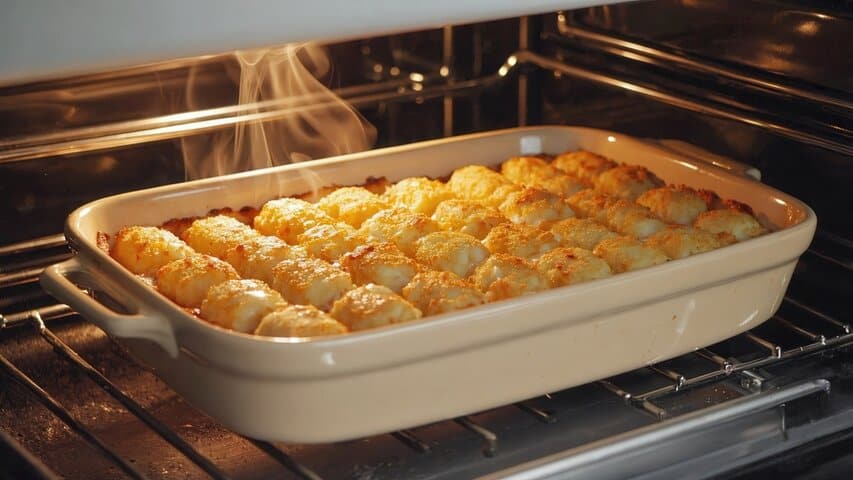
The biggest physical change in the kitchen came when countertop microwaves hit the mainstream. Cooking times dropped from hours to minutes, changing how people handled defrosting and reheating forever. TV trays moved out of the hall closet and became permanent fixtures right in front of the television set. Families were increasingly eating while watching Happy Days or All in the Family, slowly swapping out face-to-face table talk for screen time.
The 1980s: Crazy Schedules and the Low-Fat Craze
The 1980s ushered in dual-income households, packed after-school calendars, and a massive national obsession with weight loss and diet trends.
Lean Cuisine meals, pasta salad, Cool Ranch Doritos, and blackened Cajun dishes ruled the day. Grocery aisles were suddenly flooded with packages stamped “low-fat,” “light,” or “fat-free,” as people bought into the idea that cutting fat was the ultimate secret to staying healthy. Meanwhile, the microwave finished its journey from a cool high-tech luxury to a totally normal appliance sitting in almost every kitchen in America.
This was also the era of the “latchkey kid.” With both parents working late, middle-schoolers routinely let themselves in after school, tossed some frozen pizza rolls or a Hot Pocket into the microwave, and handled dinner on their own. The traditional sit-down dinner split apart even more as soccer practice, corporate overtime, and personal bedroom TVs pulled everyone in different directions when 6:00 PM rolled around.
The 1990s: Giant Portions, Food TV, and the Casual Dining Boom
The 1990s expanded what Americans were willing to eat while blowing portion sizes way out of proportion. Bagel Bites, Dunkaroos, SunChips, and Lunchables were staples in school cafeterias, while suburban strip malls got completely taken over by casual dining chain restaurants.
People often wonder how working families in the nineties could suddenly afford to eat out at sit-down spots every single week. It really came down to a mix of a strong economy and clever restaurant business models. The nineties economy was humming along, and real household income was climbing for middle-class families with two paychecks coming in. At the same time, massive chains like Olive Garden, Applebee’s, Chili’s, and Outback Steakhouse nailed the science of high-volume, assembly-line food prep.
By buying ingredients in massive corporate bulks, they kept menu prices surprisingly low compared to what people were earning. They sealed the deal by piling on huge portions, bottomless soda refills, and free breadsticks or chips, making a night out feel like a total bargain. Eating out went from an occasional splurge to a routine reward for exhausted parents who had a bit more cash than spare time.
This was also when the Food Network launched back in 1993, turning basic cooking into primetime entertainment and turning celebrity chefs into rockstars, changing how people thought about food culture for good.
The 2000s: Going Organic and the Rise of Fast Casual
By the time the new millennium hit, a major shift was brewing. People started taking a much closer look at processed ingredients, factory farming, and what big food corporations were actually putting in their products.
Shoppers started filling the aisles at Whole Foods, local coffee shops replaced standard pot drip coffee, and wrap sandwiches or sushi became everyday options for a quick workday lunch. The decade ended up split between high-end healthy eating and quick-turn convenience.
That dynamic created the “Fast Casual” trend, led by places like Chipotle and Panera Bread. People didn’t want standard fast food anymore, but they also didn’t want to sit through a two-hour sit-down meal with a waiter. Fast casual delivered better ingredients, build-your-own assembly lines, and nicer dining rooms without the long wait or the tip.
Food also started wrapping itself up in personal identity. People began defining themselves by their specific diets—whether that meant organic, gluten-free, low-carb, or vegan—which made cooking one single meal for the whole household a total headache for parents.
The 2010s to Today: On-Demand, Personalized, and Digital
Stepping into the modern era, the whole idea of what counts as a “meal” got completely rewritten by smartphones, delivery apps, and new daily habits.
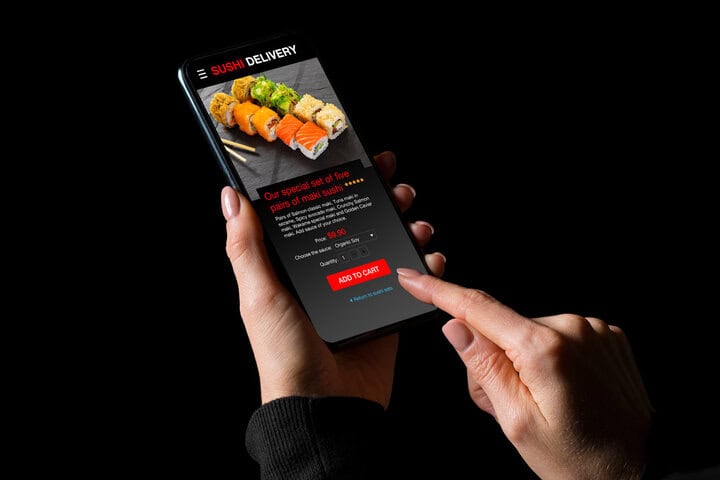
Grain bowls, sourdough avocado toast, plant-based burgers, and meal kits shipped right to your front door reflect a food scene focused heavily on personal preference and wellness. But the biggest structural plot twist happened inside our phones. Apps like DoorDash and Uber Eats turned practically every restaurant in town into a personal kitchen you can summon with a quick screen tap.
The classic structure of “three square meals a day” has mostly given way to what food researchers call “snackification”—grazing on smaller things throughout the day whenever work breaks allow. Mealtime became an individual thing instead of a big group event. It’s totally normal now for four people under the same roof to eat four completely different meals from four different places, sitting in different rooms while watching completely different screens.
What Was Really Driving the Change?
Looking back over seven decades, the evolution of the American meal was never just about tastes changing. It was pushed along by huge economic and cultural shifts in how we live our lives day to day.
Women moving into the workforce permanently reshaped domestic life, turning meal prep from a full-time unpaid job at home into a daily time-management balancing act. Tech breakthroughs—from flash-freezing and microwaves to delivery algorithms—kept stripping away the physical work needed to feed a house.
At the same time, culture shifted its focus from mid-century group routines to modern personal freedom. We traded the predictability of the 6:00 PM family table for speed, convenience, and endless options. While we might have lost that cozy nightly habit of passing serving dishes around one big table, what we got in return is a food world packed with global flavors, personal choices, and convenience our grandparents couldn’t have imagined.