
It was very special watching people dance in the 1950s, 1960s, and 1970s. Pre-social networks, smartphones, and instant video effects, dancing was an experience shared between two people. As soon as the record was played, the rhythm took over, and everyone found their groove!
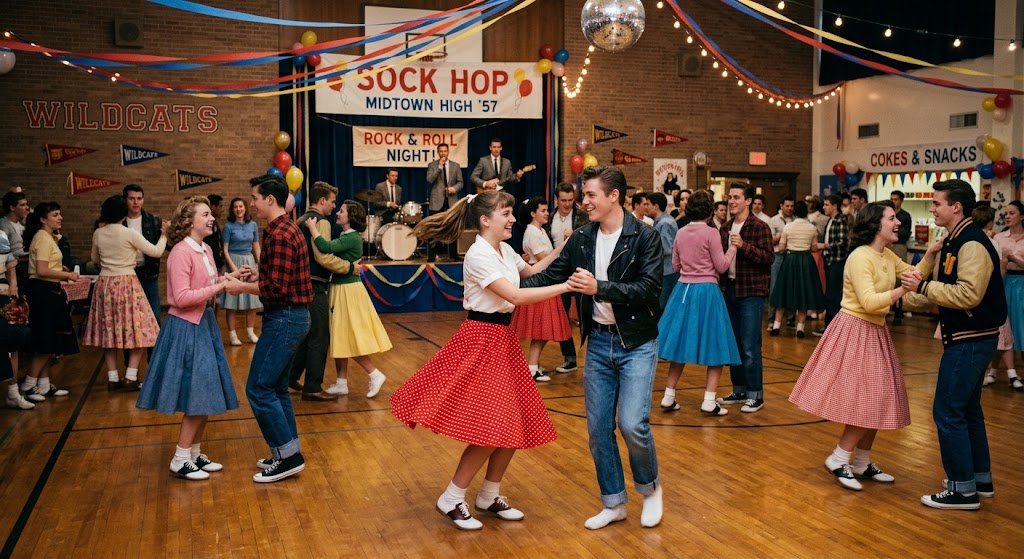
In the 1950s, rock ‘n’ roll and lively dances were introduced to America’s teens. The 60s brought the Twist and the Mashed Potato to the forefront, and in the 1970s, disco, funk, and more intricate dances occupied dance floors. These dances were documented in photographs, television productions, film, and home movies.
Nowadays, technology provides a whole new approach to that culture. With modern artificial intelligence and video equipment, it is feasible to bring the photo to life and make photo dance producing dancing characters and giving old-fashioned photographs a surprisingly fresh function.
Dancing Before the Digital Age
Dance was closely linked with the advent of rock ‘n’ roll in the 1950s. Sock Hops were held at local dance venues, school gymnasiums, and community halls, where teenagers came together. The music was new and exciting, as was the dancing.
No need for high-level production. It took a good record and a packed dance floor, along with a bit of confidence.
The Twist then evolved into one of the iconic dances of the sixties. Unlike other earlier partner dances, it was possible to dance it alone and was easy for large groups to join. Television made dances more popular, as it introduced the dances and their movements to living rooms.
In the 1970s, the dance floor was even more dynamically expressive. Disco was an invitation to dress in flashy clothes, dance under colored lights, and dance for hours without any pauses.
Why Old Dance Footage Feels So Personal
Part of the enchantment of vintage dance footage is that it hardly ever feels overly polished.
Old pix might display someone stuck midway through a flow. A home movie might have shaky camera work or imperfect lighting. A television recording may have the visual limitations of its era.
Those imperfections are a part of the appeal.
They provide a glimpse into how normal human beings in reality spent their evenings, celebrations, school events, and weekends. For nostalgia fans, this will make an easy photograph feel like a doorway into some other time.
From Photographs to Moving Memories
Modern AI introduces an uncommon possibility: turning a still picture into a moving scene.
Instead of simply looking at an old picture of someone dressed for a 1960s birthday celebration, creators can use animation technology to imagine how that character may have moved to the song of the length.
Tools designed to make photos dance can transform a static character image into a short dancing sequence. The result isn’t the same as recovering genuine historical footage, of course. It is a creative interpretation rather than evidence of what actually happened.
That distinction is important while working with antique fabric.
Reimagining the Nineteen Fifties Dance Floor
The Nineteen Fifties offer plenty of suggestions for this type of test.
Imagine a black-and-white image showing a youngster in cuffed jeans and a leather jacket, standing beside a jukebox. An AI-generated animation could supply that character with a rock ‘n’ roll-inspired movement sequence.
The visual doesn’t need to look futuristic. In fact, keeping the setting period-appropriate can make the result more interesting.
A diner, faculty gym, document shop, or community dance corridor can provide the backdrop. The garb, hairstyles, fixtures, and lights can all toughen the era.
Bringing the Sixties Back to Life
The Sixties provide a wider range of visual opportunities.
The decade moved from early rock and pop into psychedelic music, soul, Motown, folk, and British-influenced pop. Dance styles changed along with the music.
A vintage photo ought to encourage an animated collection presenting the Twist, a cross-go-stimulated recurring, or some other movement associated with the decade.
For nostalgia tasks, the music itself can turn out to be the place to begin. Rather than adding random modern motion to an antique image, creators can pick out music that suits the duration and build the visual idea around its character.
The Disco Energy of the 1970s
Few eras are as right away recognizable via dance as the Nineteen Seventies.
Disco delivered dance floors into clubs, restaurants, TV packages, and a famous tradition. Bell-bottoms, platform shoes, patterned shirts, glittering clothes, and dramatic lighting became a part of the visible language.
An AI-generated dance series can recreate a number of elements of that ecosystem through the use of duration-stimulated characters and settings.
The intention is not necessarily to reproduce a true ancient overall performance. It can genuinely capture the sensation associated with the era: crowded dance floors, sturdy rhythms, expressive moves, and the exhilaration of a Saturday night out.
AI Doesn’t Replace the Original Memories
There is an important difference between historic pictures and AI-generated imagery.
A genuine home movie documents something that genuinely happened. An animated photograph creates a new interpretation.
That difference doesn’t make the latter less interesting. It certainly means the 2 must be treated in a different way.