
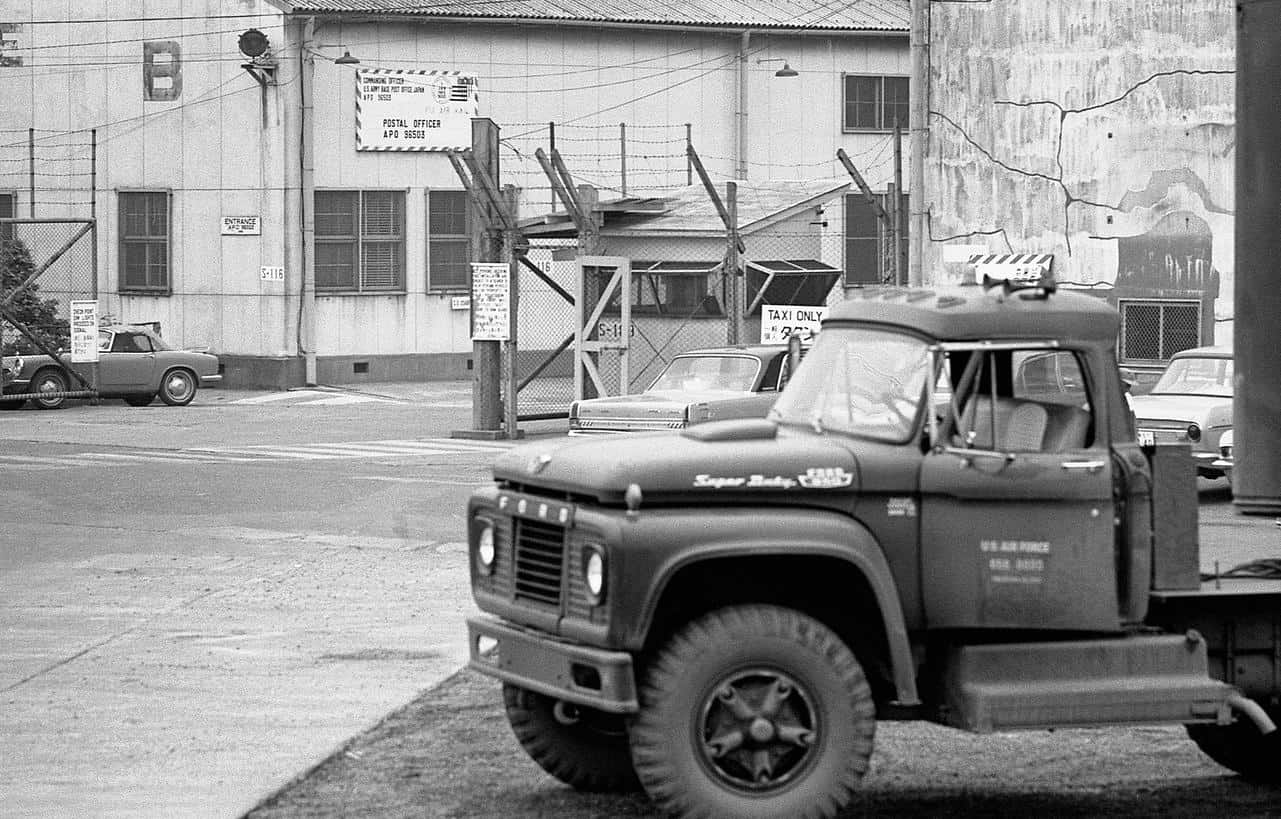
If you could tune into Channel 19 in the mid-1970s, you’d hear a language all its own. “Breaker, breaker, one-nine, you got a Smokey at the 212 marker.” “That’s a big 10-4, good buddy.” This was the sound of America’s highways, a crackling symphony of trucker jargon that turned the CB radio from a simple communication device into a cultural phenomenon that defined a generation.
The Early Days: From Novelty to Necessity
Citizens Band radio had existed since the 1940s, but it remained largely a hobbyist’s toy until the early 1970s. What changed? Two events converged to make the CB radio essential equipment for America’s truckers: the 1973 oil crisis and the nationwide 55 mph speed limit that followed.
Suddenly, long-haul truckers needed real-time information about fuel availability, weigh stations, and speed traps more than ever. The CB radio became their lifeline, transforming isolated cab drivers into members of a vast, mobile community stretching across every interstate in America. By 1975, CB radio sales had exploded, with millions of units flying off store shelves.
The Birth of Trucker Culture
The CB radio did more than facilitate communication; it created an entirely new culture. Truckers adopted colorful “handles” or nicknames that became their on-air identities. Instead of boring call signs, the airwaves were filled with personalities: Rubber Duck, Pig Pen, White Knight, and thousands of other creative monikers that reflected the freedom and individuality of life on the road.
The unique slang that developed became so popular that it infiltrated mainstream American speech. A police officer became a “Smokey Bear” or just “Smokey.” Your vehicle was your “rig,” “wagon,” or “ride.” When you signed off, you said, “Keep the shiny side up and the greasy side down,” a reminder to stay safe and upright on those long hauls.
Pop Culture Embraces the Big Rig
Hollywood couldn’t resist the appeal of this new trucker mystique. The 1975 song “Convoy” by C.W. McCall rocketed to number one on the Billboard charts, telling the story of truckers using CB radios to organize a massive convoy that stretched for miles. The song sold over two million copies and spawned a 1978 movie of the same name starring Kris Kristofferson.
“Smokey and the Bandit” (1977) further cemented the image of the independent trucker as an American folk hero, complete with CB radio banter and high-speed chases. Suddenly, trucking wasn’t just a job; it was romantic, rebellious, and quintessentially American. Trucker hats, Western shirts with pearl snaps, and CB radios became fashion statements even for people who’d never been behind the wheel of an 18-wheeler.
The Brotherhood of the Road
Beyond the pop culture appeal, the CB radio created something genuinely meaningful: a sense of community among people who spent their lives alone in a cab. Drivers would warn each other about hazardous road conditions, accidents ahead, or mechanical problems at specific truck stops. If someone broke down, help was just a radio call away.
This brotherhood extended beyond practical concerns. Truckers would chat for hours, sharing stories, jokes, and life advice. For drivers spending weeks away from home, those voices crackling through the static were genuine companionship. Channel 19 became the unofficial trucker channel, a virtual truck stop where drivers could connect with others sharing the same stretch of asphalt.
The Reality Behind the Romance
While popular culture celebrated the freedom and adventure of trucking, the reality involved serious risks. Long hours, tight deadlines, and challenging road conditions made truck driving one of the most dangerous occupations in America. According to the Insurance Institute for Highway Safety, large truck crashes have remained a persistent safety concern, with thousands of crashes occurring annually on U.S. highways.
The same factors that made 1970s trucking feel independent, minimal regulation, pressure to meet deadlines, and long hours without adequate rest also contributed to accident rates. Today, when truck accidents result in serious injuries, understanding liability and navigating complex federal and state regulations requires legal knowledge. Truck crash lawyers can help accident victims determine responsibility and pursue fair compensation when crashes occur due to driver fatigue, mechanical failures, or other factors.
The End of an Era
By the early 1980s, the CB radio craze was fading. Stricter enforcement of FCC regulations, the rise of cellular phones, and changing cultural tastes all contributed to its decline. The deregulation of the trucking industry in 1980 transformed the profession itself, often replacing independent owner-operators with fleet drivers working for large companies.
Today, modern truckers rely on GPS navigation, satellite communication, and smartphones. The colorful language of the CB era has largely disappeared from the highways, replaced by the efficiency of digital communication.
Remembering the Golden Age
Yet for those who lived through it, the 1970s remain the golden age of American trucking. It was a time when the open road represented freedom, when a truck driver could be a cultural icon, and when a simple radio created a nationwide community bound together by shared experience and mutual respect.
The CB radio era may have faded, but it left an indelible mark on American culture. It reminds us of a time when connection required more than touching a screen; it required reaching out across the static, using creativity and personality to bridge the distance between one lonely cab and another. In that sense, those truckers with their big rigs and CB radios weren’t just moving freight across America, they were building something far more valuable: a community on wheels, bound together by nothing more than a shared frequency and a common road.