
A handbag can remain beautifully made and still stop belonging to the life of the person who owns it. That is what makes the decision to keep, carry, preserve or pass on a designer bag more complicated than a simple question of price.
The 1950s understood accessories differently. Handbags were chosen with the same deliberation as gloves, shoes or a hat, and their shape often helped complete the line of an outfit. That discipline still offers a useful test for modern luxury owners. A bag earns longevity through proportion, material, construction and purpose, not simply because it once carried a high price tag or a famous name.
Looking closely at those qualities can reveal something else too: whether a piece still has personal meaning, and what might matter if it eventually enters the secondary market.
What the 1950s Understood About a Handbag’s Place in a Wardrobe
Mid-century dressing gave handbags a clear role. Structured top-handle styles, frame bags and compact evening purses were designed to hold their shape and complement a specific kind of dress. They were functional, but they were also part of a larger visual logic.
That is one reason structured handbags still translate easily into modern wardrobes. Clean proportions and controlled detailing tend to age more gracefully than designs built around a single novelty. The point is not that every vintage-looking bag is timeless. It is that good design usually remains legible after the trend around it has faded.
For an owner assessing a bag today, the useful question is not simply, “Does this look classic?” It is whether the silhouette still feels coherent, the materials still suit the design, and the bag can be worn without appearing trapped in the season that produced it.
Once nostalgia is separated from genuine design longevity, the test becomes more personal.
The First Test Is Personal: Do You Still Carry It?
Luxury ownership can become habitual. A handbag may stay on a shelf because it was expensive, difficult to obtain or important at an earlier point in life, even if it has not been carried for years.
Frequency of use is revealing, but it is not decisive. Careers change. Wardrobes become more casual. A formal top-handle bag may feel less practical after a change in routine, while a colour that once seemed essential may no longer work with anything else in the closet.
Sentiment deserves separate consideration. A bag bought to mark a promotion, received from a parent or carried on an important occasion has a kind of value the resale market cannot measure. Rarely used does not automatically mean expendable.
For someone considering resale, this distinction matters. Before looking at comparable prices or current demand, it is worth asking whether the bag would genuinely be missed. Personal attachment and market desirability are different forms of value, and confusing the two can lead to a decision that feels wrong later.
If the emotional case for keeping the bag is limited, the next question is more objective: has the piece retained the qualities that made it desirable in the first place?
The Details That Outlast a Fashion Cycle
A recognizable label is only one part of a handbag’s staying power. Silhouette, construction, material quality and the consistency of a design within a house’s history often matter more over time.
Craftsmanship becomes easier to judge after years of use. Stitching, edge finishing, hardware, lining, leather quality and structural integrity all affect how a bag ages. Good materials do not remain untouched, but they can develop character without losing the design’s essential shape.
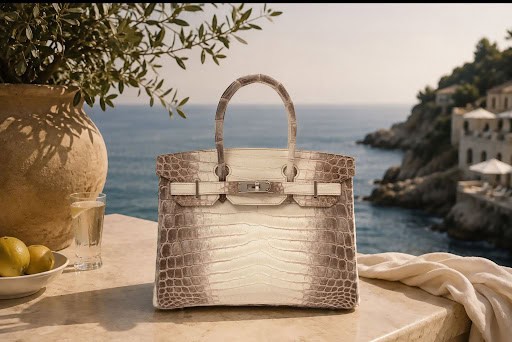
Recognition matters too, especially when it is not dependent on a short-lived trend. The Hermès Birkin and Kelly, along with the Chanel Classic Flap, remain immediately identifiable even as fashion moves between oversized totes, compact shoulder bags and softer silhouettes. Familiarity alone does not guarantee resale strength, but it helps explain why collectors continue to recognize these models.
Rarity needs the same restraint. A limited production run or unusual colour does not automatically create demand. Scarcity becomes commercially meaningful only when buyers actually want that particular model, material, size or specification.
Original retail price is equally unreliable as a guide to future resale appeal. A costly seasonal bag can lose relevance, while another piece may attract stronger interest years later because its design, condition or specification suits current collector preferences.
Condition Tells the Story After Purchase
Two bags with the same model name can present very differently after years of ownership. Condition is where that difference becomes visible.
Corners, handles, hardware, interior surfaces, stitching, closures and overall shape tend to reveal the most. Natural softening of leather is different from cracking caused by poor storage. Light hardware wear is not the same as corrosion or significant plating loss. Gentle darkening on handles can reflect normal use, while staining, ink or colour transfer may materially alter how a buyer assesses the piece.
Storage matters as well. A structured bag that has been supported and kept away from excessive heat, moisture and direct light is more likely to retain its shape than one left compressed for years.
Completeness can add context. Depending on the brand and model, original dust bags, boxes, straps, locks, keys, receipts or other documentation may be relevant to a buyer or specialist. Their absence does not automatically determine value, and packaging alone is not proof of authenticity, but original accessories can contribute to a more complete presentation.
Owners should also be cautious with cosmetic fixes. Home recolouring, aggressive cleaning or improvised repairs can alter original materials and make later assessment more complicated. For collectible pieces, preservation is often more useful than trying to make every sign of age disappear.
Condition explains how well a bag has survived. The secondary market adds another question: how much interest exists in that exact version now?
When Timeless Style Meets the Resale Market
Cultural longevity and resale desirability overlap, but they are not the same thing. A handbag can remain important to a fashion house’s history while individual examples attract very different levels of buyer interest.
Size, leather, colour, hardware, production period, condition and completeness can all affect desirability. That variation is easy to see in the Canadian secondary market. Authenticated examples of the Hermes Birkin bag in Canada listed by Rome Station, a Canadian luxury resale specialist, can differ significantly in specification and condition even though they share the same model name.
The same principle applies more broadly. A neutral colour may appeal to a wider group of buyers at one moment, while a harder-to-find shade or unusual material may attract a narrower collector audience. Preferences change, so rarity and heritage need to be considered alongside current demand.
This is also why generalized online claims about what a bag is worth should be treated cautiously. Professional assessment is most useful when it considers the individual piece. Authentication, condition, year, material, hardware and accompanying accessories can all change the picture.
An owner thinking about resale should therefore look for expertise rather than a headline number. A reputable specialist should be able to explain how the bag has been assessed, how authenticity is handled, what terms apply and, where relevant, how a direct purchase differs from consignment.
With the personal and market questions separated, the final decision becomes clearer.
Keep It, Carry It Again, Preserve It or Pass It On?
There is no single correct outcome for a handbag that has fallen out of regular use.
Keep it when the personal meaning outweighs any practical reason to part with it. A bag connected to family history, a milestone or a defining period of life does not need to justify itself through resale value.
Carry it again when the design still suits you but habit has pushed it to the back of the wardrobe. Reintroducing a neglected bag for a few outings can reveal whether it still feels natural before any permanent decision is made.
Preserve it when rarity, delicate materials or family significance make careful storage more appropriate than frequent wear. Shape support, sensible protection from light and moisture, and keeping model-specific accessories together can all help maintain condition.
Pass it on when the bag still has market interest but little remaining personal relevance. Selling or consigning an authenticated piece can be a reasonable next chapter, provided the owner understands the process and chooses a specialist with clear terms and appropriate knowledge of the brand and model.
The point is not to turn every unused handbag into an asset to be liquidated. It is to recognize that thoughtful ownership includes knowing when an object still serves a purpose and when it may be better appreciated elsewhere.
A Timeless Bag Can Have More Than One Life
The lesson of 1950s style is not that everything old deserves to be kept indefinitely. It is that well-considered design rewards attention.
A lasting handbag may owe its appeal to proportion, craftsmanship, material, recognizability and the way it has been cared for. Yet those qualities do not dictate what an owner should do with it. Sentiment may matter more than demand. A forgotten bag may deserve another season of use. A delicate piece may be worth preserving. Another may be ready to move into someone else’s collection.
Understanding the difference between personal value and market desirability makes each of those choices more informed. A timeless handbag does not have to remain in one wardrobe forever to retain its meaning. Sometimes thoughtful ownership is simply knowing what you have, how it has aged and what should happen to it next.